
diet plan for breastfeeding mothers to lose weight pdf
Navigating postpartum weight loss while breastfeeding requires a balanced approach‚ focusing on nutrient-dense foods and gradual changes.
A downloadable diet plan‚ like those available from resources such as Amazon‚ can aid in achieving sustainable results.
Prioritizing both maternal health and adequate milk supply is crucial‚ with guidelines recommending a minimum of 1500-1800 calories daily.
Effective strategies include incorporating whole grains‚ fruits‚ vegetables‚ and lean proteins‚ while limiting processed foods and sugary drinks for optimal well-being.
Understanding the Unique Needs of Breastfeeding Mothers
Breastfeeding significantly elevates a mother’s nutritional demands‚ requiring increased calorie and nutrient intake to support both her recovery and milk production. A carefully planned diet‚ potentially utilizing a downloadable PDF guide‚ is essential for successful weight management without compromising milk supply.
Exclusive breastfeeding necessitates a higher caloric intake than combined breastfeeding and formula feeding. Mothers must prioritize nutrient density‚ focusing on whole foods to meet these elevated needs. Resources like the Dietary Reference Intake (DRI) Calculator can help personalize calorie estimations.
Postpartum bodies undergo hormonal shifts impacting metabolism and appetite‚ necessitating a flexible and understanding approach to dietary changes.
The Importance of Gradual Weight Loss
Rapid weight loss during lactation is strongly discouraged‚ as it can negatively impact milk supply and potentially release stored toxins into breast milk. A sustainable approach‚ often outlined in a breastfeeding diet plan PDF‚ emphasizes a gradual reduction of approximately 1-2 pounds per week.
Prioritizing nutrient intake over drastic calorie restriction ensures adequate nourishment for both mother and baby. Focusing on whole‚ unprocessed foods supports both weight loss and optimal milk production.
Sudden dietary changes can disrupt hormonal balance and affect milk volume‚ so a slow and steady pace is key for long-term success.
Calorie Needs During Lactation
Breastfeeding elevates caloric demands; a diet plan PDF should account for this. Generally‚ mothers need 300-500 extra calories daily to support milk production and maintain energy levels.
Individual needs vary based on activity and metabolic rate.
Calculating Your Daily Calorie Requirements
Determining your individual calorie needs during lactation is vital for healthy weight loss and sufficient milk supply. A comprehensive diet plan PDF should guide this process. Utilize the Dietary Reference Intake (DRI) Calculator for Health Care Professionals to estimate requirements based on age‚ BMI‚ and activity level.
Start with your pre-pregnancy calorie needs and add 300-500 calories. Remember‚ restricting calories too drastically can negatively impact milk production. A gradual reduction‚ guided by a professional‚ is key.
Minimum Calorie Intake (1500-1800 Calories)
A breastfeeding mother should never consume fewer than 1500-1800 calories daily‚ even when following a weight loss diet plan PDF. This ensures adequate milk production and prevents nutritional deficiencies. Restricting calories below this range can compromise both maternal health and infant development.
Prioritize nutrient-dense foods within this calorie range‚ focusing on quality over quantity. A well-structured plan will help maintain energy levels and support overall well-being during lactation.
Adjusting Calories Based on Activity Level
For breastfeeding mothers utilizing a diet plan PDF‚ calorie adjustments are vital based on activity. Women engaging in 30 minutes of daily light to moderate exercise may slightly increase intake – around 300-500 calories.
Higher activity levels necessitate further adjustments‚ ensuring sufficient energy for both milk production and physical exertion. Monitoring weight and milk supply is key to finding the optimal caloric balance.

Macronutrient Breakdown for Optimal Milk Supply & Weight Loss
A successful breastfeeding diet plan PDF emphasizes protein for satiety‚ healthy fats for brain development‚ and complex carbohydrates for sustained energy.
Balancing these macronutrients supports milk production while facilitating healthy weight management for nursing mothers.
Protein Intake for Muscle Maintenance & Satiety
Adequate protein intake is vital for breastfeeding mothers‚ supporting both muscle maintenance during weight loss and increased satiety to manage calorie consumption.
A well-structured diet plan PDF should prioritize lean protein sources like poultry‚ fish‚ beans‚ and lentils. These foods aid in postpartum recovery and contribute to a consistent milk supply.
Aiming for sufficient protein helps preserve lean muscle mass while promoting a feeling of fullness‚ reducing the likelihood of overeating and supporting healthy weight management throughout the breastfeeding journey.
Healthy Fats: Essential for Brain Development & Hormone Production
A breastfeeding diet plan PDF must emphasize the importance of healthy fats‚ crucial for the baby’s brain development and the mother’s hormone production.
Include sources like avocados‚ nuts‚ seeds‚ and fatty fish (choosing low-mercury options) to ensure adequate intake. These fats support overall health and milk quality.
Prioritizing these fats over processed or unhealthy fats contributes to both maternal well-being and optimal infant growth‚ making them a cornerstone of a balanced postpartum diet.
Complex Carbohydrates: Sustained Energy & Fiber
A comprehensive breastfeeding diet plan PDF should highlight complex carbohydrates as vital for sustained energy levels‚ essential for lactating mothers.
Focus on whole grains like quinoa‚ brown rice‚ and oats‚ alongside fruits and vegetables‚ to provide fiber and prevent energy crashes.
These carbohydrates support milk production and promote digestive health‚ contributing to overall well-being during the postpartum period and aiding in gentle weight management.

Sample 7-Day Breastfeeding Diet Plan
A well-structured PDF diet plan offers a 7-day guide‚ prioritizing nutrient density in the initial days‚ then introducing variety and mindful portion control.
This approach supports weight loss while maintaining a healthy milk supply‚ ensuring both maternal and infant well-being.
Day 1-3: Focusing on Nutrient Density
These initial days emphasize whole‚ unprocessed foods to rebuild postpartum strength and establish a solid nutritional foundation. Prioritize lean proteins like chicken or fish‚ alongside abundant fruits and vegetables‚ providing essential vitamins and minerals.
Whole grains‚ such as quinoa or brown rice‚ offer sustained energy‚ while healthy fats from avocados or nuts support hormone production. Hydration is paramount; aim for ample water intake. A downloadable PDF diet plan will detail specific meal examples‚ ensuring adequate calorie intake (1500-1800) to safeguard milk supply during this crucial phase.
Day 4-7: Introducing Variety & Portion Control
Building upon the nutrient-dense foundation‚ these days introduce a wider range of foods while implementing mindful portion control. Continue prioritizing lean proteins‚ complex carbohydrates‚ and healthy fats‚ but explore different options to prevent dietary monotony.
A downloadable PDF diet plan will guide appropriate serving sizes‚ ensuring sufficient calories (1500-1800) for lactation. Focus on balanced meals and snacks‚ limiting processed foods and sugary drinks. Monitor weight and milk supply‚ adjusting intake as needed‚ guided by the plan’s recommendations.

Foods to Prioritize While Breastfeeding
Focus on fruits‚ vegetables‚ whole grains‚ and lean proteins for essential vitamins‚ minerals‚ and sustained energy.
A breastfeeding diet plan PDF emphasizes nutrient density to support both maternal health and optimal milk production.
Fruits & Vegetables: Vitamins‚ Minerals & Antioxidants
Prioritizing fruits and vegetables is fundamental in a breastfeeding diet plan PDF‚ providing vital vitamins‚ minerals‚ and antioxidants crucial for both mother and baby’s health.
These nutrient-rich foods support recovery‚ boost immunity‚ and contribute to optimal milk production.
Aim for a colorful variety – berries‚ leafy greens‚ citrus fruits‚ and colorful peppers – to maximize nutrient intake and ensure a well-rounded diet‚ supporting sustainable weight loss.
Whole Grains: Fiber & Sustained Energy
A breastfeeding diet plan PDF should emphasize whole grains for sustained energy and fiber intake‚ crucial for maintaining milk supply and preventing energy crashes.
Options like quinoa‚ brown rice‚ and oats provide complex carbohydrates‚ supporting stable blood sugar levels and promoting satiety.
Fiber aids digestion and helps manage weight‚ making whole grains a valuable component of a healthy postpartum eating pattern for nursing mothers.
Lean Protein Sources: Muscle Repair & Growth
A comprehensive breastfeeding diet plan PDF must prioritize lean protein sources for muscle repair and growth‚ especially important during the postpartum period.
Excellent choices include chicken‚ turkey‚ fish (low-mercury)‚ beans‚ and lentils‚ providing essential amino acids for both mother and baby.
Protein also promotes satiety‚ helping manage appetite and support healthy weight loss while maintaining adequate milk production.
Foods to Limit or Avoid While Breastfeeding
A breastfeeding diet plan PDF should advise limiting processed foods‚ sugary drinks‚ and high-mercury fish.
Cautious consumption of caffeine and alcohol is also recommended for optimal health.
Processed Foods & Sugary Drinks
A comprehensive breastfeeding diet plan PDF will strongly recommend minimizing processed foods and sugary drinks. These items often lack essential nutrients and can contribute to weight gain‚ hindering postpartum weight loss goals.
Focusing on whole‚ unprocessed foods ensures optimal nutrient intake for both mother and baby.
Sugary beverages provide empty calories and can negatively impact energy levels and milk quality. Prioritize water‚ herbal teas‚ and nutrient-rich snacks instead.
High-Mercury Fish
A well-structured breastfeeding diet plan PDF will advise limiting or avoiding high-mercury fish. Mercury can transfer through breast milk to the infant‚ potentially impacting neurological development.
Fish like swordfish‚ shark‚ king mackerel‚ and tilefish should be consumed sparingly‚ if at all. Opt for low-mercury options such as salmon‚ sardines‚ and light tuna in moderation to ensure a safe and nutritious diet for both mother and baby.
Caffeine & Alcohol
A comprehensive breastfeeding diet plan PDF will address caffeine and alcohol consumption. While moderate caffeine intake (under 200mg daily) is generally considered acceptable‚ excessive amounts can affect the baby’s sleep.
Alcohol should be avoided or consumed very cautiously. If alcohol is consumed‚ wait at least two to three hours per drink before breastfeeding to minimize transfer to the infant and potential adverse effects.

Hydration for Breastfeeding Mothers
Adequate hydration is paramount when breastfeeding‚ supporting milk production and overall health.
A diet plan PDF emphasizes drinking plenty of water throughout the day to prevent dehydration.
Monitor urine color and thirst levels to ensure sufficient fluid intake.
Importance of Water Intake
Water is vital for breastfeeding mothers‚ directly impacting milk supply and energy levels. A well-structured diet plan PDF will consistently highlight the need for increased fluid consumption. Breast milk is largely composed of water‚ so dehydration can quickly diminish production.
Staying hydrated also aids in postpartum recovery‚ supports digestion‚ and can even help with satiety‚ assisting in weight management. Aim for consistent sipping throughout the day‚ rather than large amounts infrequently.
Signs of Dehydration
Recognizing dehydration is crucial for breastfeeding mothers following a diet plan. Common indicators include increased thirst‚ dark-colored urine‚ and decreased urination frequency. Fatigue‚ dizziness‚ and headaches are also telltale signs‚ potentially impacting milk supply.
Dry mouth and skin can also signal insufficient fluid intake. A diet plan PDF should emphasize proactively monitoring these symptoms and increasing water consumption immediately upon noticing them to maintain optimal health.
Recommended Daily Fluid Intake
Adequate hydration is paramount when following a diet plan for breastfeeding mothers. Generally‚ aim for at least 8-12 cups (64-96 ounces) of water daily. However‚ individual needs vary based on activity level‚ climate‚ and milk production.
A helpful guideline is to drink to thirst‚ plus an additional glass with each feeding. Diet plan PDFs should reinforce this‚ emphasizing water as the primary beverage choice for optimal health and milk supply.
Exercise for Postpartum Weight Loss
Combining a diet plan with light to moderate exercise—around 30 minutes daily—supports weight loss. Safe options‚ detailed in many PDFs‚ include walking and gentle postpartum exercises.
Light to Moderate Exercise (30 Minutes Daily)
Engaging in 30 minutes of daily light to moderate exercise is beneficial for postpartum weight loss‚ complementing a breastfeeding diet plan. Resources‚ often found in downloadable PDFs‚ emphasize starting slowly and gradually increasing intensity.
Walking is an excellent starting point‚ alongside gentle exercises designed for postpartum recovery. Prioritize movements that don’t overly strain abdominal muscles. Remember‚ consistency is key‚ and listening to your body is paramount for a safe and effective routine.
Focus on rebuilding strength and endurance while respecting your body’s healing process.
Safe Exercises for Breastfeeding Mothers
When following a diet plan and incorporating exercise‚ breastfeeding mothers should prioritize safety. Walking‚ swimming‚ and postnatal yoga are generally considered excellent choices‚ often detailed in downloadable PDF guides.
Focus on low-impact activities that minimize stress on joints and abdominal muscles. Strengthening pelvic floor exercises‚ like Kegels‚ are also highly recommended for postpartum recovery.
Avoid high-impact exercises or those with a risk of falling until fully recovered‚ ensuring adequate hydration and proper support.
Postpartum Exercise Precautions
While a diet plan supports weight loss‚ exercise requires caution postpartum. Listen to your body and avoid pushing yourself too hard‚ especially when following a PDF guide.
Ensure adequate hydration‚ as exercise can impact milk supply. Watch for signs of dehydration and adjust intensity accordingly. Avoid exercises that cause pain or discomfort.
Consult your healthcare provider before starting any new exercise routine‚ particularly if you had a C-section or complications during delivery.
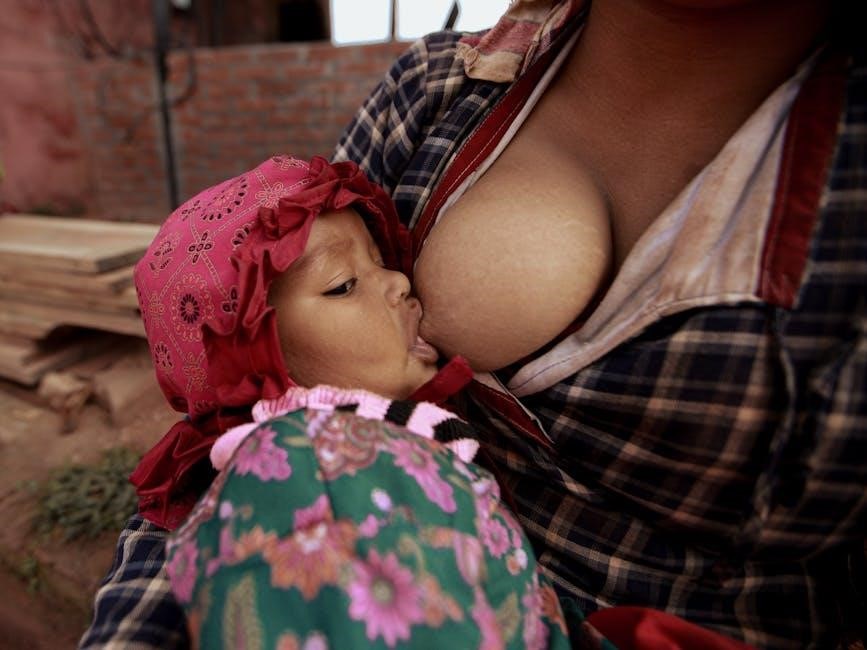
Vegan/Vegetarian Diet Considerations for Breastfeeding
Plant-based diets require careful planning to ensure adequate nutrient intake for both mother and baby. Focus on protein sources and consider supplementation‚ as highlighted in various diet plans.
Ensuring Adequate Nutrient Intake on a Plant-Based Diet
Breastfeeding vegan or vegetarian mothers must prioritize key nutrients often found in animal products. This includes sufficient protein from legumes‚ tofu‚ and tempeh‚ alongside iron and vitamin B12 supplementation.
A well-structured diet plan‚ like downloadable PDFs‚ should emphasize nutrient density. Focus on incorporating a variety of plant-based foods to meet increased demands during lactation‚ supporting both maternal health and optimal milk production.
Careful attention to calcium and omega-3 fatty acid intake is also vital for baby’s development.
Protein Sources for Vegan/Vegetarian Mothers
Vegan and vegetarian breastfeeding mothers require ample protein for both milk production and their own recovery. Excellent sources include lentils‚ chickpeas‚ black beans‚ and other legumes‚ offering both protein and fiber.
Tofu and tempeh are complete protein sources‚ easily incorporated into various meals. A well-planned diet‚ potentially utilizing a downloadable PDF‚ should ensure sufficient intake to support both maternal and infant health.
Quinoa and chia seeds also contribute to protein needs alongside essential nutrients.

Supplements for Breastfeeding Mothers
Certain supplements‚ like Vitamin D‚ iron‚ and Omega-3 fatty acids‚ may be beneficial during lactation. A diet plan PDF can help track intake and identify potential deficiencies.
Consulting a healthcare professional is vital before starting any new supplement regimen.
Vitamin D
Vitamin D is crucial for calcium absorption‚ bone health‚ and immune function for both mother and baby. Many individuals are deficient‚ and supplementation is often recommended during breastfeeding.
A well-structured diet plan PDF should consider Vitamin D sources‚ though dietary intake alone may be insufficient. Supplementation needs vary based on individual levels and sun exposure.
Healthcare professionals can assess Vitamin D status and recommend appropriate dosages to ensure optimal health while following a weight loss plan.
Iron
Iron needs increase during lactation to replenish stores depleted during pregnancy and support infant development. A comprehensive diet plan PDF for breastfeeding mothers must prioritize iron-rich foods.
Lean red meat‚ poultry‚ beans‚ and fortified cereals are excellent sources. Combining iron-rich foods with Vitamin C enhances absorption. Supplementation may be necessary if dietary intake is insufficient.
Monitoring iron levels is vital to prevent anemia and maintain energy levels while pursuing postpartum weight loss goals.
Omega-3 Fatty Acids
Omega-3s are crucial for infant brain and eye development‚ making them a vital component of a breastfeeding mother’s diet plan PDF. These essential fats also support maternal mood and well-being.
Excellent sources include fatty fish like salmon‚ flaxseeds‚ chia seeds‚ and walnuts. If fish intake is limited‚ a DHA supplement is recommended. Prioritizing omega-3s supports both baby’s health and the mother’s postpartum recovery.
Adequate intake aids in managing inflammation and contributes to overall health during weight loss.

Monitoring Weight Loss & Milk Supply
Regularly track weight and measurements‚ while observing baby’s cues for adequate milk intake. Consult a healthcare professional if concerns arise regarding supply or rapid weight loss.
Tracking Weight & Measurements
Consistent monitoring is key to a healthy postpartum journey. Weigh yourself no more than once a week‚ at the same time‚ wearing similar clothing‚ to observe trends. Record measurements – waist‚ hips‚ and thighs – alongside weight‚ as these can indicate body composition changes.
Focus on gradual progress‚ not rapid drops‚ and remember that fluctuations are normal. Utilize a journal or app to log data‚ aiding in identifying patterns and adjusting your diet plan accordingly. This data helps assess the diet’s effectiveness.
Signs of Adequate Milk Supply
Observe your baby’s cues: frequent wet and dirty diapers (6-8 per day) indicate sufficient intake. Listen for swallowing sounds during feeds and note relaxed body language post-feeding. Weight gain is a crucial indicator‚ monitored by your pediatrician.
Your breasts should feel softer after feeding‚ but not completely empty. Avoid solely relying on pumping output as a measure‚ as it varies. A well-nourished baby is the best sign!
When to Consult a Healthcare Professional
Seek guidance if weight loss plateaus despite dietary efforts‚ or if you experience concerning fatigue. Monitor your baby for adequate weight gain and report any concerns to your pediatrician promptly. Discuss any significant changes in milk supply or breastfeeding challenges with a lactation consultant.
Don’t hesitate to address feelings of overwhelm or nutritional deficiencies with your doctor. Professional support ensures both your health and your baby’s well-being are prioritized.

Addressing Common Concerns
Weight loss plateaus are normal; adjust calorie intake slightly and increase activity. Ensure your diet doesn’t compromise milk supply or your baby’s health‚ seeking professional advice when needed.
Weight Loss Plateaus
Experiencing a weight loss plateau is common during breastfeeding‚ even with a carefully planned diet. Don’t drastically reduce calories‚ as this can impact milk supply. Instead‚ reassess your activity level and consider a slight increase in exercise.
Ensure you’re accurately tracking your food intake and consistently following the diet plan. Small adjustments‚ like increasing protein or incorporating more fiber‚ can sometimes reignite progress. If plateaus persist‚ consult a healthcare professional or registered dietitian for personalized guidance.
Impact of Diet on Baby’s Health
A breastfeeding mother’s diet directly influences her baby’s health and development. Nutrient-rich foods support optimal growth‚ while a balanced intake ensures milk quality. Avoid restrictive diets that could compromise essential nutrients for the infant.
Prioritize whole foods and limit exposure to toxins like high-mercury fish. A well-planned diet‚ like those found in downloadable PDFs‚ safeguards both maternal and infant well-being‚ fostering a healthy start for the baby.
Resources & Further Information
Explore the Dietary Guidelines for Americans (2020-2025) and the DRI Calculator for personalized calorie needs. Amazon offers comprehensive nursing mother nutrition books for guidance.
Dietary Guidelines for Americans
The Dietary Guidelines for Americans‚ 2020-2025‚ provide a foundational framework for healthy eating patterns‚ adaptable for breastfeeding mothers. These guidelines emphasize nutrient density‚ focusing on fruits‚ vegetables‚ whole grains‚ lean proteins‚ and healthy fats.
They advocate for limiting added sugars‚ saturated fats‚ and sodium‚ crucial for both maternal and infant health. Utilizing these guidelines alongside a tailored breastfeeding diet plan PDF ensures a balanced approach to postpartum weight loss and optimal milk production‚ supporting overall well-being.
DRI Calculator for Health Care Professionals
The Dietary Reference Intake (DRI) Calculator is an invaluable tool for healthcare professionals determining individualized calorie needs for breastfeeding mothers. It considers factors like age‚ BMI‚ activity level‚ and whether exclusive or combined breastfeeding/formula feeding is practiced.
Accurate calorie estimation‚ facilitated by this calculator‚ is essential when creating a personalized diet plan PDF‚ ensuring sufficient intake to support milk supply while promoting healthy weight loss.

Downloadable Breastfeeding Diet Plan PDF
Accessing a comprehensive‚ downloadable breastfeeding diet plan PDF streamlines the process of postpartum weight management. Resources like Amazon offer guides focused on nutrient-rich eating while maintaining milk production.
These plans typically emphasize whole foods‚ portion control‚ and hydration‚ aligning with recommendations for 1500-1800 daily calories. Utilize these PDFs as a starting point‚ tailoring them to individual needs and preferences for sustainable success.