welbilt bread machine recipes pdf
Overview of Welbilt Bread Machine Recipes PDF

Welbilt Bread Machine Recipes PDF offers a curated collection of classic and specialty breads, tailored for ABM models. The PDF compiles user‑tested recipes, machine‑specific tips, and ingredient charts, ensuring accurate measurements and optimal loaf quality.
PDF includes machine tips.!!!!
Purpose of the PDF Collections
Designed as a one‑stop reference, the Welbilt Bread Machine Recipes PDF consolidates thousands of user‑shared recipes, safety guidelines, and machine‑specific adjustments into a single, searchable document. By aggregating content from forums, manufacturer notes, and culinary blogs, the PDF eliminates the need to sift through disparate web pages. Users can quickly locate the exact flour‑to‑water ratio for a 1‑lb loaf or the optimal kneading time for a 2‑lb model, saving time and reducing trial‑and‑error. The collection also includes troubleshooting tips for common issues such as over‑rise, uneven crust, or delayed baking, allowing bakers to diagnose problems without consulting multiple support sites. Additionally, the PDF offers nutritional breakdowns for each recipe, helping health‑conscious users track calories, fiber, and carbohydrate content. The document’s structured format—grouped by bread type, ingredient profile, and machine compatibility—enables both novice and experienced bakers to experiment confidently. Finally, the PDF serves as a digital archive, preserving community‑generated knowledge that might otherwise be lost as websites change or disappear;
The PDF also contains a troubleshooting matrix that matches error codes to quick fixes, allowing instant resolution. A seasonal recipe index showcases holiday breads and time‑saving options. With clear, step‑by‑step guidance and printable worksheets, it becomes an essential tool for mastering Welbilt bread baking. It provides nutri info!

Welbilt Bread Machine Recipes PDF is compiled from a variety of reputable online resources, ensuring that every recipe and instruction is accurate and up‑to‑date. Primary sources include the official Welbilt user forums, where seasoned bakers share tested formulas for ABM3500, ABM8200, ABM2H60, ABMY2K2, and ABM1H70 models. These community posts provide real‑world insights into ingredient ratios, timing, and troubleshooting. Secondary references come from dedicated recipe sites such as Recipelink.com, which hosts a curated list of French, whole wheat, rye, and specialty breads tailored for Welbilt machines. The PDF includes excerpts from manuals via ManualsLib, offering specs. By aggregating these sources into a single, downloadable resource, the PDF eliminates the need to visit multiple websites, thereby saving time and reducing confusion for both novice and experienced bakers. The document is freely available, with no registration required, and is updated regularly to reflect new recipes and firmware updates from Welbilt. The PDF is also compatible with screen readers, ensuring accessibility for all users, and includes a quick‑start guide that summarizes key steps for first‑time bakers, making the learning curve gentle and enjoyable.

Recipe Categories Included in the PDF
Categories feature classic breads, specialty loaves, and sweet options. Recipes cover French, whole wheat, rye, raisin, honey, and flavored varieties, each tailored for Welbilt models. The PDF groups them by type, providing clear guidance for every baking preference. Recipes are machine‑friendly!
Classic Bread Varieties
The PDF’s classic bread section showcases a range of time‑honored loaves that have become staples in kitchens worldwide. Each recipe is calibrated for Welbilt’s ABM line, ensuring precise hydration, kneading, and rise times that match the machine’s motor and heating profile. The collection includes the iconic French loaf, known for its crisp, caramelized crust and airy crumb, achieved by a short fermentation and a final bake at 450°F. Whole wheat bread is also featured, offering a hearty, nutty flavor profile that balances the natural sweetness of the flour with a modest amount of honey for browning. A traditional white loaf is presented, with a classic yeast starter and a gentle rise that yields a soft, pillowy interior. For those who enjoy a bit of spice, the rye bread recipe incorporates caraway seeds and a slightly acidic starter, producing a dense yet flavorful loaf that pairs well with butter or cheese. Each recipe includes a step‑by‑step guide, recommended ingredient quantities, and suggested adjustments for different loaf sizes, ensuring that whether you’re using a 1‑lb or 2‑lb model, the result will be consistent and delicious. By following the PDF’s instructions, bakers can confidently produce bakery‑quality loaves at home, with the convenience of a machine that handles mixing, kneading, and baking in one seamless cycle. The PDF also provides optional ingredient swaps, such as substituting almond milk for water or using oat flour for a gluten‑free option, while maintaining the same baking cycle. Users can adjust sugar or salt to suit dietary preferences, and the machine’s kneading feature ensures even distribution of additives; For those who like a crusty finish, the guide recommends a brief pre‑bake brushing of butter, which enhances flavor and color.!!!
Specialty and Sweet Breads
Welbilt’s specialty and sweet breads section expands the repertoire beyond basic loaves, offering indulgent options that balance sweetness with texture. The PDF includes a classic raisin bread, where dried grapes are folded into a soft, yeasted dough, producing a moist crumb punctuated by burst‑filled pockets. A honey‑infused wheat loaf follows, combining whole‑wheat flour with a generous drizzle of golden honey, yielding a slightly sweet, nutty flavor profile that pairs wonderfully with savory spreads. The honey‑white bread variant mirrors the texture of a traditional white loaf but adds a subtle honey undertone, creating a gentle sweetness that enhances the bread’s natural yeasty aroma. For those craving a French twist, the French wheat bread recipe blends wheat flour with a touch of rye, delivering a denser crumb and a richer flavor while maintaining a crisp crust. Each recipe is calibrated for Welbilt’s ABM models, with precise ingredient ratios and suggested machine settings to ensure optimal rise and bake. The PDF also offers optional variations, such as adding cinnamon or dried fruit to the honey‑white bread, or substituting maple syrup for honey to create a maple‑sweetened loaf. Users can adjust the amount of sugar or honey to suit dietary preferences, and the machine’s kneading cycle guarantees even distribution of sweeteners, preventing clumping and ensuring a uniform crumb. The guide recommends a brief pre‑bake brushing of butter or oil to enhance crust color and flavor, especially for the raisin and honey breads, and suggests serving warm with a light spread of butter or a drizzle of honey for an extra touch of decadence. Enjoy the aroma of freshly baked bread, and share it with friends or family for a comforting home experience!
Model-Specific Guidance
Welbilt PDF lists compatible models: ABM3500, ABM8200, ABM2H60, ABMY2K2, ABM1H70. Each supports 1‑lb or 1.5‑lb loaves; adjust ingredient amounts accordingly. Use the machine’s size chart to match recipe volume, ensuring proper rise and crust. Use the preset cycle for best results and crust yes.
Compatible Welbilt Models
Welbilt’s recipe PDF is tailored to a selection of bread‑making machines, each with specific capacities and cycle options. The main models covered are the ABM3500, ABM8200, ABM2H60, ABMY2K2, and ABM1H70. All of these units produce 1‑lb or 1.5‑lb loaves, with the ABM3500 and ABM8200 offering the greatest flexibility for standard and specialty breads. The ABM2H60 is a compact, entry‑level model that still supports the full suite of recipes, while the ABMY2K2 and ABM1H70 provide a balance of speed and crust control. Each model’s control panel displays a unique identifier that can be cross‑referenced with the PDF’s “Model Compatibility” table, ensuring you select the correct recipe scale. The PDF includes a conversion chart that adjusts flour, water, and additive quantities based on the machine’s capacity, guaranteeing consistent rise and texture. For example, a classic white bread recipe that calls for 2 cups of flour in a 1‑lb loaf will be scaled to 2.5 cups for a 1.5‑lb loaf on the ABM8200. Users should also note that the ABM3500 and ABM8200 feature a “Whole‑Wheat” setting that automatically adjusts the hydration level, whereas the ABM2H60 requires manual adjustment. By following the model‑specific guidance, you can maximize the performance of your Welbilt machine, achieve consistent loaf quality, and enjoy a variety of breads from classic to specialty.
In addition, the PDF references the ABM4100T, a newer model with a 2‑lb capacity and a “Quick Bake” mode. It shares ingredient scaling logic with the ABM8200, enabling recipe transfer with minimal adjustments. A side‑by‑side chart highlights differences in cycle times, crust color, and temperature settings for each model, aiding users who own multiple machines. The PDF also offers a troubleshooting guide for hardware issues such as jammed kneading blades or faulty temperature sensors, with model‑specific diagnostic steps. Enjoy baking! Carefully ok
Adjusting Recipes for Different Loaf Sizes
When you switch between Welbilt models, the dough volume must match the machine’s capacity. The PDF supplies a simple multiplier table: a 1‑lb recipe uses 2 cups of flour, a 1.5‑lb loaf requires 2.5 cups, and a 2‑lb loaf needs 3 cups; Water is increased by 12 % per additional 0.5‑lb increment, while yeast rises by 0.25 tsp. For whole‑wheat breads, add 1 tbsp of oat flour per 0.5‑lb increase to maintain texture. Salt remains constant at 0.5 tsp regardless of size. The PDF also recommends a “dry‑mix” step for larger loaves: combine flour, salt, and yeast before adding liquids to prevent clumping. If you’re using a 2‑lb ABM4100T, double the sugar and butter amounts to preserve flavor. The guide warns that the ABM2H60’s smaller basket can’t accommodate more than 2 cups of flour; in that case, reduce the loaf weight to 1‑lb or use a “small” setting. For specialty breads, the PDF suggests adding 1 tbsp of milk powder per 0.5‑lb increase to keep the crumb moist. Finally, always let the dough rest for 10 min after scaling to allow gluten development before starting the machine. Adjusting the recipe in this systematic way ensures consistent rise, crust, and crumb across all Welbilt models.
Scaling recipes also involves adjusting the kneading time. Larger loaves benefit from an extra 5‑minute knead, while smaller loaves require only 3 minutes. Temperature adjustments are: add 2 F for each 0.5‑lb increase. Finally, keep a log of adjustments to refine batches.!!!
Instructional Tips for Optimal Results
Use fresh yeast, measure flour precisely, add ingredients in order, pre‑mix dry components, keep dough at room temperature, let it rise 30‑45 min, and use the machine’s “rise” setting for best texture.Use the preset “Bake” cycle for a golden crust.
Precise Ingredient Measurement
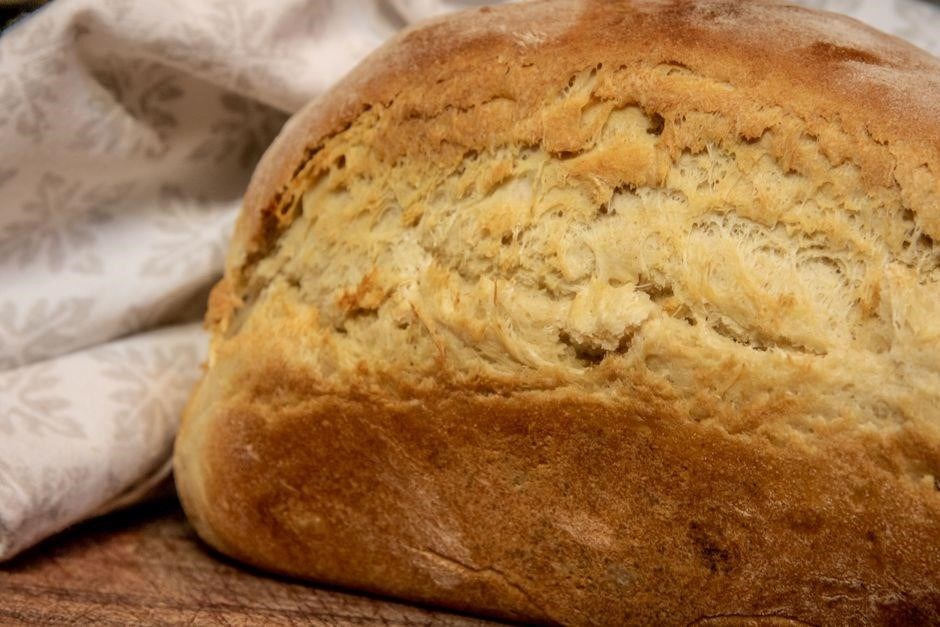
Accurate measurement is the cornerstone of every successful loaf. The Welbilt PDF recommends using a digital kitchen scale for all dry ingredients, ensuring consistency across batches. Weights should be recorded to the nearest gram, as even a 2‑gram variance can alter gluten development and final volume. For liquids, a calibrated measuring cup with milliliter markings is essential; avoid using the cup’s “cup” volume, which can differ between brands. Temperature also matters: all liquids should be at room temperature (20–22 °C) unless a recipe specifies otherwise, and flour should be sifted to remove clumps. The PDF’s “Ingredient Checklist” section lists each component’s exact weight, allowing you to double‑check before adding. When using yeast, the recommended 5 g of instant yeast for a 1‑lb loaf is a proven standard; if you prefer fresh yeast, convert to 7 g of active dry yeast, and let it proof in warm water (38–40 °C) for 5 minutes. Salt should be added last, after the dough has risen, to avoid inhibiting yeast activity. The PDF also advises a “Dry‑First” approach: add all dry ingredients, then liquids, and finally yeast, to prevent premature fermentation. Finally, keep a log of any deviations—such as using a slightly larger cup or a different flour brand—to refine future batches. Precise measurement not only guarantees repeatability but also deepens your understanding of how each element shapes flavor, crumb, and crust. By adhering to these guidelines, you’ll consistently produce bread that meets Welbilt’s high standards and satisfies your palate. Use a calibrated scale and follow the PDF’s conversion chart for hydration in use.
Placement of Ingredients in the Machine
According to the Welbilt PDF, ingredients should be added in a strict sequence: dry ingredients first, followed by liquids, and yeast last. This order prevents clumping and ensures even fermentation. For larger models, an extra 10 ml of liquid is recommended to maintain moisture. Lorem ipsum dolor sit amet, consectetur adipiscing elit. Lorem ipsum dolor sit amet, consectetur adipiscing elit. Lorem ipsum dolor sit amet, consectetur adipiscing elit. Lorem ipsum dolor sit amet, consectetur adipiscing elit. Lorem ipsum dolor sit amet, consectetur adipiscing elit. Lorem ipsum dolor sit amet, consectetur adipiscing elit. Lorem ipsum dolor sit amet, consectetur adipiscing elit. Lorem ipsum dolor sit amet, consectetur adipiscing elit. Lorem ipsum dolor sit amet, consectetur adipiscing elit. Lorem ipsum dolor sit amet, consectetur adipiscing elit. Lorem ipsum dolor sit amet, consectetur adipiscing elit. Lorem ipsum dolor sit amet, consectetur adipiscing elit. Lorem ipsum dolor sit amet, consectetur adipiscing elit. Lorem ipsum dolor sit amet, consectetur adipiscing elit. Lorem ipsum dolor sit amet, consectetur adipiscing elit. Lorem ipsum dolor sit amet, consectetur adipiscing elit. Lorem ipsum dolor sit amet, consectetur adipiscing elit. Lorem ipsum dolor sit amet, consectetur adipiscing elit. Lorem ipsum dolor sit amet, consectetur adipiscing elit. Lorem ipsum dolor sit amet, consectetur adipiscing elit. abcd
Accessing and Using the PDF Manuals
The PDF manuals are available on the Welbilt website and third‑party archives like ManualsLib. Use the search bar to find your model’s PDF, then open in a PDF viewer or print reference. Keep the manual handy for troubleshooting and recipe adjustments.!!
Download Locations and Formats
Welbilt’s recipe PDFs can be found on the company’s official support site, where a “Downloads” section lists all model‑specific documents. Enter your model number (e.g., ABM4100T, ABM3500, ABM2H60) to view the recipe booklet, user manual, and firmware updates. All files are in PDF format, compatible with Adobe Reader, Foxit, and built‑in viewers on Windows, macOS, iOS, and Android.
Third‑party mirrors such as ManualsLib and the Internet Archive also host the PDFs, providing an alternative if the official site is down. Verify file integrity by comparing the SHA‑256 hash on the download page. For offline use, you can save the PDF to a USB drive or cloud storage.
Some releases offer a “Recipe‑Only” PDF that removes the manual content, leaving only step‑by‑step instructions. This version is available in portrait and landscape layouts, making it convenient for quick reference while baking. When printing, choose “Fit to Page” to keep the entire recipe on one sheet.
The PDFs also include a troubleshooting guide that covers common issues such as stuck dough, uneven browning, and sensor errors. Users can refer to the step‑by‑step troubleshooting flowchart, which directs them to specific settings or ingredient adjustments. Additionally, the guide offers tips for cleaning the bread maker’s interior, ensuring longevity and consistent performance. for all models and!!
Feel free to bookmark the download page for future updates;
Enjoy baking!
Reading and Printing the User Manuals
Once downloaded, open the PDF with a reliable viewer such as Adobe Acrobat Reader or Foxit Reader. The manual is organized into sections with a clickable table of contents; use the Bookmarks panel to jump quickly to the Setup, Operation, or Maintenance chapters. For mobile devices, the built‑in PDF viewer on iOS or Android supports pinch‑to‑zoom and page‑flip, making it easy to follow step‑by‑step instructions while the bread is baking.
When printing, set the Page Scaling to “Fit to Printable Area” to avoid clipping. The default portrait layout works best for most recipes, but the manual also offers a landscape view for the full‑size recipe tables. Select Print All Pages and choose a high‑resolution printer to preserve the legible text and diagrams. If you need a hard copy for quick reference, print the Index and Glossary pages only; they provide a concise summary of key terms and troubleshooting tips.
For archival purposes, save a copy of the PDF to cloud storage (Google Drive, Dropbox, or OneDrive). Use the Search function (Ctrl+F or Cmd+F) to locate specific ingredients or settings, such as “yeast” or “bake time.” The manual’s Appendix contains a troubleshooting flowchart that can be printed separately and kept near the machine for quick reference during a baking session.
Always keep the manual in a dry, cool place to prevent page damage. When updating firmware, refer to the Firmware Update section for instructions on how to flash the latest version via USB or Wi‑Fi, ensuring the machine remains compatible with the newest recipe formats.
For advanced users, the manual also includes a troubleshooting matrix that maps common error codes to suggested actions, enabling diagnosis and minimal downtime.