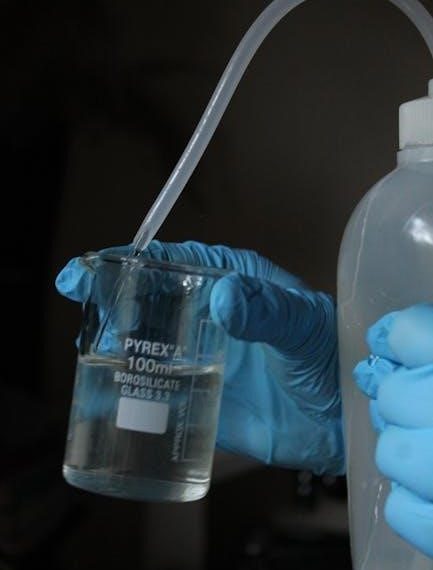
talstar p mixing instructions
Talstar P Mixing Instructions: A Comprehensive Guide
Talstar P, a potent liquid insecticide concentrate featuring bifenthrin, effectively controls over 75 pests. This guide provides detailed instructions for proper mixing,
ensuring optimal performance and safety when tackling household or lawn infestations. Always consult the product label.
Understanding Talstar P Insecticide
Talstar P is a widely utilized, broad-spectrum insecticide renowned for its effectiveness against a diverse range of pests. It’s a liquid concentrate formulation, previously known as Talstar One, containing the active ingredient bifenthrin – a synthetic pyrethroid. This classification is crucial as pyrethroids function by disrupting the nervous systems of insects, leading to paralysis and ultimately, mortality.
Its versatility makes it suitable for various applications, including perimeter treatments, indoor pest control, and preventative measures against termites. The product’s residual activity is a significant benefit, providing extended control after application. However, understanding its properties is paramount for safe and effective use. Talstar P isn’t merely a quick fix; it’s a tool requiring careful consideration of dilution rates, application methods, and safety precautions, all detailed on the product label.
Proper identification of the target pest is also essential to ensure Talstar P is the appropriate solution. Always prioritize reading and adhering to the instructions provided on the product label before mixing or applying this insecticide.
Active Ingredient: Bifenthrin
Bifenthrin, the core active ingredient in Talstar P, belongs to the pyrethroid insecticide family. Synthesized to mimic naturally occurring pyrethrins found in chrysanthemum flowers, bifenthrin offers enhanced stability and prolonged effectiveness. Its mode of action centers on disrupting the sodium channels within an insect’s nervous system. This disruption causes repetitive nerve firing, leading to paralysis and eventual death.
The concentration of bifenthrin in Talstar P is carefully formulated to deliver potent pest control while minimizing non-target effects when used as directed. It exhibits excellent residual activity, meaning it remains effective on treated surfaces for an extended period, reducing the frequency of applications. Understanding this residual effect is vital when planning pest management strategies.
However, it’s crucial to remember that even synthetic pyrethroids like bifenthrin require responsible handling and adherence to label instructions. Always prioritize safety and environmental considerations when working with Talstar P, and consult the Safety Data Sheet (SDS) for comprehensive information.
Available Formulations of Talstar P
Talstar P primarily comes as a liquid concentrate, designed for dilution with water before application. This formulation offers flexibility in adjusting the concentration to suit specific pest pressures and treatment areas. The concentrate is typically available in various container sizes, ranging from smaller, convenient options for homeowners to larger, professional-grade containers for pest control operators.
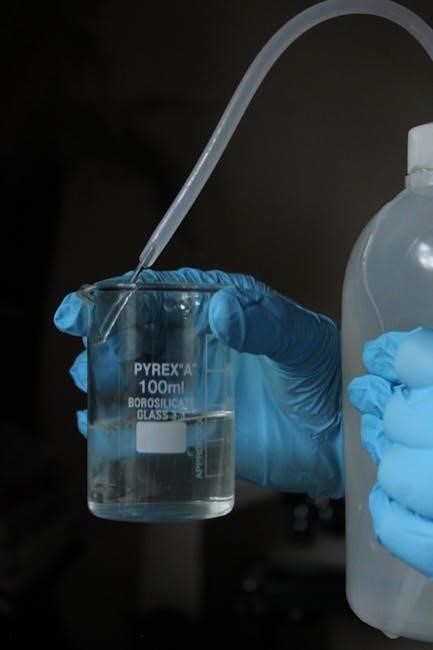
While the liquid concentrate is the most common form, it’s important to note that Talstar P was previously known as Talstar One, and older stock might be labeled accordingly. The active ingredient and efficacy remain consistent between formulations. Always verify the label to confirm the product name and bifenthrin concentration.
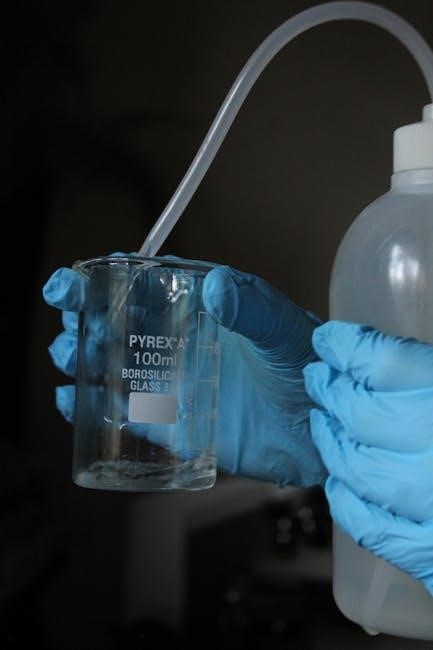
Currently, Talstar P is not widely available in pre-mixed, ready-to-use spray bottles. This is because the concentrate allows for customized dilution rates, optimizing both cost-effectiveness and targeted pest control. Proper mixing, as detailed in this guide, is essential for achieving the desired results.
Safety Precautions Before Mixing
Prior to mixing Talstar P, prioritize personal safety. Always wear appropriate personal protective equipment (PPE), including chemical-resistant gloves, long sleeves, long pants, and eye protection – goggles or a face shield are recommended. Avoid contact with skin and clothing. Mixing should occur in a well-ventilated area to prevent inhalation of vapors.
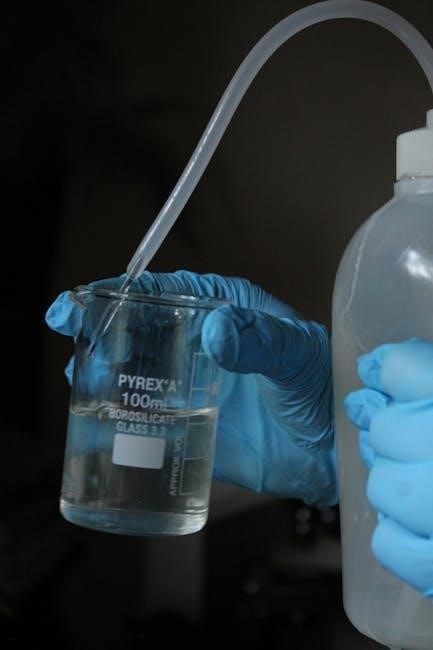
Keep children and pets away from the mixing area and treated surfaces until completely dry. Do not eat, drink, or smoke while handling the concentrate or diluted solution. If the product comes into contact with skin, wash immediately with soap and water. In case of eye contact, flush thoroughly with water for 15-20 minutes and seek medical attention.
Review the Safety Data Sheet (SDS) for comprehensive safety information. Familiarize yourself with first aid measures and potential hazards; Always read and follow all instructions on the product label. Proper safety precautions are crucial for responsible and effective pest control.
Required Equipment for Mixing
Successful and safe Talstar P application begins with gathering the necessary equipment. You’ll need a clean, appropriately sized mixing container – a dedicated plastic bucket is ideal, clearly labeled for pesticide use only. Accurate measuring tools are essential; use calibrated measuring cups or spoons specifically for pesticides, avoiding household utensils.
A stirring utensil, such as a plastic or stainless steel paddle, is needed for thorough mixing. Depending on your application method, you’ll require either a backpack sprayer, a hose-end sprayer, or a standard sprayer. Ensure the sprayer is clean and in good working order.
Always have access to clean water for dilution and rinsing equipment. Chemical-resistant gloves, eye protection (goggles or face shield), long sleeves, and long pants are vital PPE. Finally, keep the product label and Safety Data Sheet (SDS) readily available for reference during the mixing process.
Calculating the Correct Dilution Ratio
Determining the precise dilution ratio is crucial for Talstar P’s effectiveness and safety. This calculation depends on the target pest, application site (indoor, perimeter, or soil), and the desired concentration. Always prioritize the instructions on the product label, as formulations and recommendations can vary.
Typically, Talstar P is diluted with water. Common ratios range from 0.5 to 2 ounces per gallon of water. For perimeter treatments, a lower concentration might suffice, while termite prevention often requires a higher dose. Carefully read the label to identify the specific rate for your intended use.
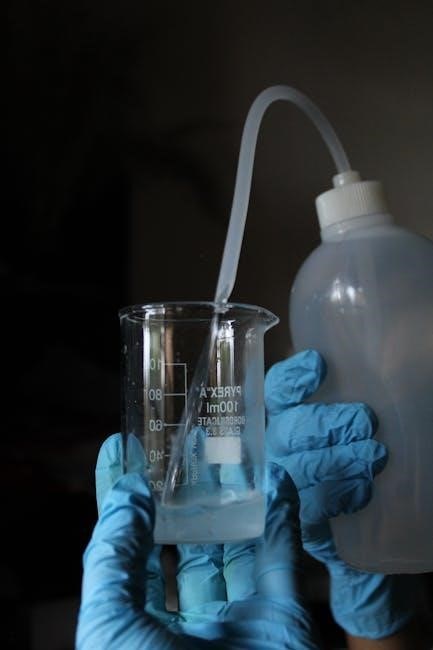
Use a dilution calculator or manually convert ounces to teaspoons or tablespoons for smaller batches. Accurate measurement is paramount; avoid estimations. Double-check your calculations before mixing to ensure the correct concentration. Remember, more is not always better – exceeding the recommended rate can be harmful and illegal.
Mixing with Water: General Guidelines
When mixing Talstar P with water, always add the insecticide concentrate to the water, never the reverse. This prevents clumping and ensures proper emulsification. Use a clean, calibrated container clearly marked for pesticide use only. Begin by adding approximately three-quarters of the required water volume.
Pour in the measured amount of Talstar P, ensuring complete dissolution. Agitate the mixture vigorously for at least one minute, either by hand or with a mechanical mixer. Once fully dissolved, add the remaining water to reach the final desired volume. Thorough mixing is essential for uniform application and optimal pest control.
Avoid using water that is excessively hot or cold, as this can affect the insecticide’s stability. Room temperature water is ideal. Mix only the amount needed for immediate use; do not store diluted Talstar P, as its effectiveness degrades over time. Always refer to the product label for specific mixing instructions.
Mixing for Perimeter Treatments
For effective perimeter pest control with Talstar P, a common dilution rate is 0.02% to 0.06%, though always verify the label for specific recommendations based on the target pest. To achieve a 0.04% dilution, mix 1 ounce of Talstar P concentrate per 25 gallons of water. This is suitable for general perimeter applications around homes and structures.
When mixing, follow the general guidelines – add concentrate to water, ensuring thorough agitation. Apply the diluted solution to a band around the foundation, typically 1-2 feet wide. Focus on areas where pests may enter, such as around doors, windows, and utility penetrations.
Saturate the soil around the foundation, but avoid runoff. For exterior applications, consider weather conditions; avoid application before heavy rainfall. Proper perimeter treatment creates a barrier, preventing pest entry. Remember, consistent monitoring and reapplication as needed are crucial for long-term control.
Mixing for Indoor Applications
When applying Talstar P indoors, a lower concentration is generally recommended. A typical dilution rate is 0.02% to 0.04%, but always consult the product label for precise instructions tailored to the specific pest you’re targeting. To create a 0.02% solution, mix 0.5 ounces of Talstar P concentrate per 25 gallons of water. For a 0.04% solution, use 1 ounce per 25 gallons.
Mix the concentrate with water, ensuring complete and consistent agitation. Apply the diluted solution using a coarse spray, focusing on areas where pests are commonly found – cracks, crevices, along baseboards, and around pipes.
Avoid direct application to food preparation surfaces. Ensure adequate ventilation during and after application, and keep people and pets away from treated areas until dry. Indoor applications require careful attention to detail and adherence to label directions for safe and effective pest control.
Mixing for Termite Prevention (Soil Treatment)
Termite prevention using Talstar P requires a higher concentration than general pest control. The precise dilution rate for soil treatment must be determined by carefully reading the product label, as it varies based on soil type and termite species. Typically, rates range from 0.06% to 0.12%.
To create a 0.06% solution, mix 1.5 ounces of Talstar P per 25 gallons of water. For a 0.12% solution, use 3 ounces per 25 gallons. Thoroughly mix the concentrate with water, ensuring complete dispersion. Apply the solution to the soil around the foundation of the structure, following label instructions regarding application volume per linear foot.
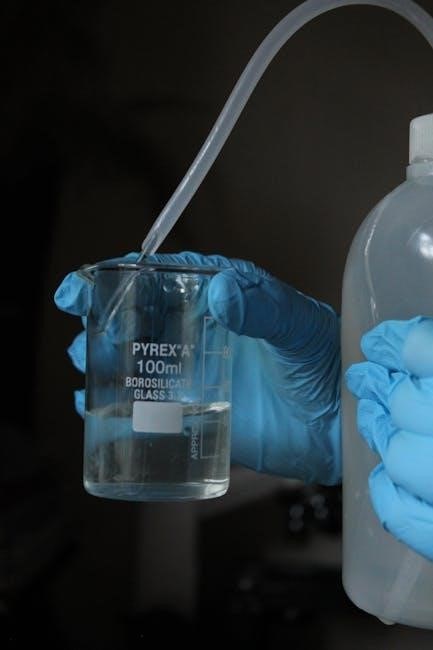
For sand barrier treatments, treat the sand as soil, adhering to the termiticide rate specified on the label. Proper soil preparation and application technique are crucial for effective termite prevention. Always prioritize safety and follow all label guidelines.
Using a Backpack Sprayer
A backpack sprayer is ideal for targeted applications of Talstar P, particularly for perimeter treatments and localized infestations. First, ensure the sprayer is clean and calibrated according to the manufacturer’s instructions. After mixing Talstar P with water at the correct dilution ratio (refer to the label for specific rates), carefully pour the solution into the sprayer tank.
Avoid overfilling; leave space for pump operation. Securely close the tank lid and pump the sprayer to build pressure. Before widespread application, test the sprayer’s output to confirm the correct spray pattern and flow rate. Maintain consistent pressure during application for even coverage.
Walk slowly and deliberately, applying the solution to target areas. Avoid spraying into the wind to prevent drift. Regularly check the tank level and re-pump as needed. After use, thoroughly rinse the sprayer with clean water, following the label’s cleaning instructions.
Using a Hose-End Sprayer
Hose-end sprayers offer a convenient method for treating larger areas, such as lawns and foundations, with Talstar P. Begin by connecting the sprayer to your garden hose and filling the reservoir with the pre-mixed Talstar P solution, adhering strictly to the dilution rates specified on the product label. Ensure the concentration is accurate for optimal pest control and to avoid potential harm to plants or the environment.
Securely attach the sprayer head and turn on the water supply to a moderate flow. Adjust the nozzle to achieve the desired spray pattern – typically a coarse spray is recommended. Walk at a steady pace, overlapping each pass slightly to ensure complete coverage of the treated area.
Monitor the solution level in the reservoir and refill as needed. After application, detach the sprayer from the hose and rinse thoroughly with clean water, following the manufacturer’s instructions and the product label’s guidance for cleaning.
Application Rates for Common Pests
Talstar P’s effectiveness hinges on applying the correct concentration for the target pest. Always prioritize the rates detailed on the product label, as these supersede any general guidelines. For perimeter treatments against ants, cockroaches, and spiders, a 0.02% to 0.06% dilution is typically recommended, translating to approximately 0.5 to 1.5 ounces per gallon of water.
Indoor applications targeting these same pests generally require a lower concentration, around 0.01% to 0.02%, or 0.25 to 0.5 ounces per gallon. Termite prevention, specifically soil treatment, demands adherence to the label’s specific rates, often higher, depending on soil type and termite pressure.
When dealing with specific pests like fleas, consult the label for tailored recommendations. Remember, higher concentrations aren’t always better; following the label ensures efficacy and minimizes environmental impact. Accurate measurement is crucial for optimal results.
Post-Application Considerations
Following Talstar P application, several factors contribute to its lasting effectiveness. Avoid washing treated surfaces for at least seven days to allow the insecticide to fully bind. Rain can diminish outdoor applications, so timing is crucial; ideally, apply when dry weather is forecast for the next 24 hours.
Re-entry restrictions apply; keep people and pets away from treated areas until the spray has completely dried. While Talstar P has low toxicity to mammals, minimizing exposure is always prudent. Monitor treated areas for pest resurgence and reapply as needed,
strictly adhering to label instructions regarding frequency.
Proper ventilation is essential after indoor applications. Store diluted Talstar P according to the label’s guidelines, as its efficacy degrades over time. Regularly inspect application sites for any unintended consequences and address them promptly.
Reading the Product Label
The Talstar P product label is your primary source of information and must be read thoroughly before mixing or applying. It contains critical details regarding dilution rates, target pests, safety precautions, and environmental hazards. Ignoring the label is not only ineffective but also potentially illegal and harmful.
Pay close attention to the “Directions for Use” section, which outlines specific application methods for different scenarios – perimeter treatments, indoor use, and termite prevention. Note the required Personal Protective Equipment (PPE), such as gloves and respirators, to minimize exposure.
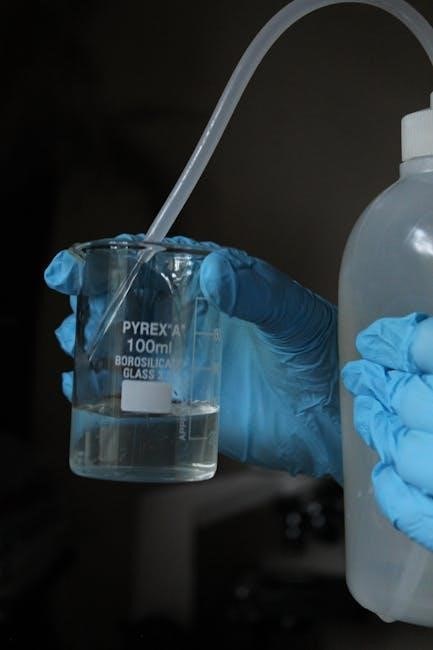
Understand the label’s restrictions regarding application near water sources and sensitive areas. The label also details storage and disposal instructions, ensuring responsible handling of the product. Always refer to the most current label version, as formulations and regulations can change.
Storage and Disposal of Mixed Talstar P
Proper storage and disposal of both concentrated Talstar P and any mixed solution are crucial for safety and environmental protection. Store the concentrated insecticide in its original container, tightly sealed, in a cool, dry, and well-ventilated area, away from food, feed, and water sources. Keep it out of reach of children and pets.
Never store mixed Talstar P solution for extended periods, as it can degrade and lose effectiveness. Use the mixed solution immediately after preparation. If you have leftover mixed solution, it should be disposed of according to local, state, and federal regulations.
Do not pour unused insecticide down the drain or into the environment. Contact your local waste disposal authority for guidance on proper disposal methods. Empty containers should also be disposed of responsibly, following label instructions and relevant regulations. Rinse the container thoroughly before disposal.
Troubleshooting Mixing Issues
Occasionally, you might encounter issues when mixing Talstar P. A common problem is difficulty dissolving the concentrate, especially in colder water. To resolve this, use warm water (not hot) and ensure thorough agitation during and after mixing. If cloudiness persists, it usually doesn’t affect efficacy, but re-mixing can help.
Another issue could be inaccurate measurements. Always use calibrated measuring tools and carefully follow the dilution ratios specified on the product label. Double-check your calculations to avoid over or under-dilution. Over-dilution wastes product and may not provide adequate pest control, while under-dilution could cause phytotoxicity or other adverse effects.
If you suspect the product has degraded, check the expiration date. Expired insecticide may be less effective. If problems continue, consult the manufacturer’s SDS or contact a professional pest control service for assistance.
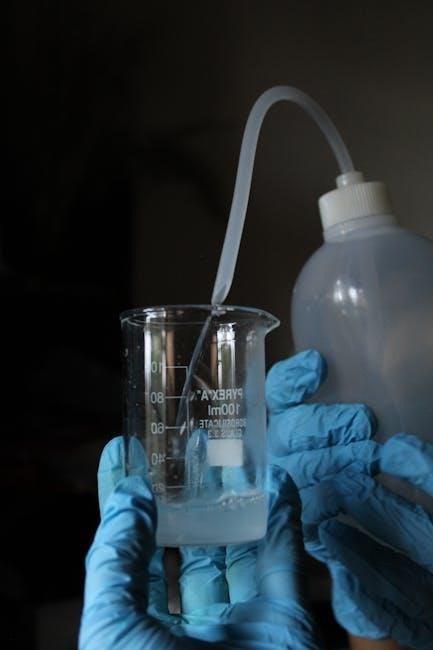
Understanding the SDS (Safety Data Sheet)
The Safety Data Sheet (SDS), formerly known as the Material Safety Data Sheet (MSDS), for Talstar P is a crucial document providing comprehensive safety information. It details potential hazards associated with the product, including health effects, fire risks, and reactivity. Understanding the SDS is paramount before handling or mixing;
Key sections include hazard identification, outlining potential dangers like skin or eye irritation. First-aid measures provide guidance in case of exposure. Handling and storage instructions detail safe practices, emphasizing proper ventilation and protective gear. The SDS also specifies appropriate personal protective equipment (PPE), such as gloves and eye protection, essential during mixing and application.
Furthermore, the SDS covers spill and leak procedures, disposal considerations, and transportation information. Refer to SDS 1349-A (revision date 2019-03) for Talstar Professional Insecticide. Always keep the SDS readily accessible and review it thoroughly before using Talstar P.

Where to Find Additional Information
Beyond this guide and the product label, numerous resources offer further assistance with Talstar P mixing and application. Your local agricultural extension office provides expert advice tailored to regional pest pressures and environmental conditions. University extension websites often feature detailed guides on insecticide use and integrated pest management strategies.
FMC, the manufacturer of Talstar P, maintains a comprehensive website with product information, SDS documents, and frequently asked questions. Online forums dedicated to pest control and landscaping can offer practical insights from experienced users, though verifying information is crucial.
Professional pest control operators (PCOs) are valuable resources, offering consultations and services. Always prioritize information directly from the product label and reputable sources. Remember, responsible pesticide use requires ongoing learning and adherence to safety guidelines.
This guide provides general information regarding Talstar P mixing instructions and should not be considered a substitute for the official product label. Always read and strictly follow all instructions, warnings, and precautions detailed on the label before handling or applying this insecticide.
The user assumes all responsibility for the safe and effective use of Talstar P. We disclaim any liability for damages resulting from improper mixing, application, storage, or disposal. Environmental conditions, pest species, and application techniques can significantly impact results.
Information provided herein is based on currently available knowledge and is subject to change. Consult with a qualified pest control professional for specific recommendations tailored to your situation. Adherence to local, state, and federal regulations is the sole responsibility of the user.