surgical technology for the surgical technologist pdf
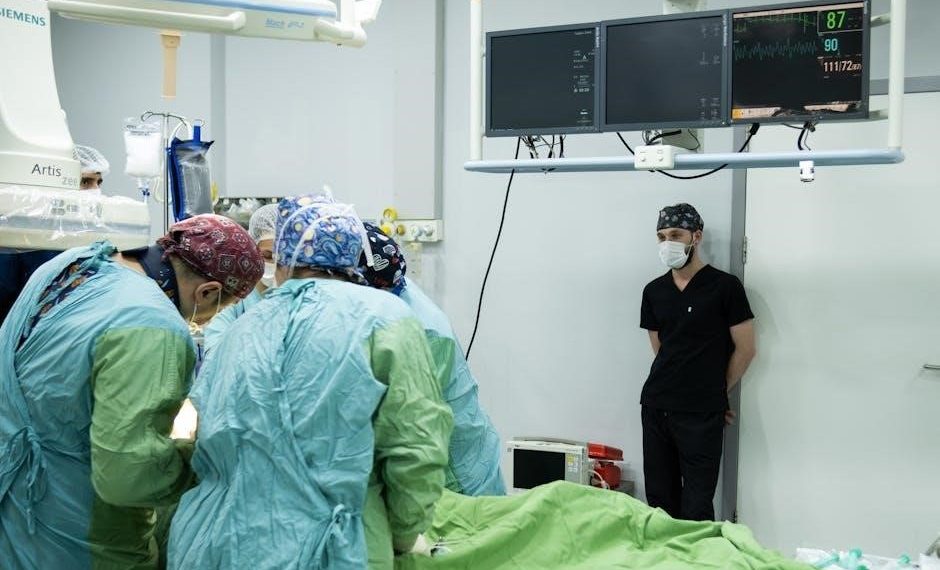
Surgical Technology for the Surgical Technologist prepares students for entry-level positions, offering a comprehensive introduction to policies and procedures within the field.
This program focuses on anticipating patient and surgeon needs throughout the entire surgical process – before, during, and after procedures.
Program Overview and Goals
This challenging Surgical Technology program is meticulously designed to equip students with the foundational knowledge and practical skills necessary for successful employment as entry-level Surgical Technologists. Upon successful completion, graduates will be immediately eligible for diverse job opportunities within hospitals and surgi-centers, contributing directly to patient care.
The core goal of this program is to provide a thorough introduction to the field, encompassing its policies and procedures. Students will learn to anticipate the needs of both patients and surgeons, mastering the critical skills required to support surgical procedures effectively throughout all phases – pre-operative, intra-operative, and post-operative.
The Role of the Surgical Technologist
Surgical Technologists are vital members of the surgical team, directly impacting patient safety and positive surgical outcomes. Their responsibilities encompass a broad spectrum of tasks, demanding both technical proficiency and a proactive approach to patient care. They are responsible for maintaining the sterile field, anticipating the surgeon’s needs, and ensuring all necessary instruments and supplies are readily available.
This role requires meticulous attention to detail, particularly during surgical counting and sponge management; Furthermore, Surgical Technologists contribute to pre-operative patient preparation and post-operative room turnover, demonstrating a commitment to efficiency and a seamless surgical experience. Understanding the general field and the CST credential is crucial.
Core Curriculum & Educational Resources
Essential learning materials include the “Surgical Technology for the Surgical Technologist” textbook, alongside MindTap access, study guides, and comprehensive lab manuals for practical skill development.
Textbooks: “Surgical Technology for the Surgical Technologist” Editions
The cornerstone of the curriculum is the “Surgical Technology for the Surgical Technologist: A Positive Care Approach” textbook, currently in its 6th Edition, authored by the Association of Surgical Technologists and published by Cengage Learning.
This widely-used resource provides a detailed exploration of surgical principles, techniques, and patient care. Students benefit from its comprehensive coverage and focus on a positive, patient-centered approach. Digital and eTextbook ISBNs are available for convenient access.
Previous editions, such as the 5th Edition, also remain valuable references. The textbook serves as the primary guide for understanding the multifaceted role of the surgical technologist and mastering essential skills.
MindTap Surgical Technology & Digital Resources
Enhancing the learning experience, MindTap Surgical Technology is a crucial component of the program. This digital learning platform, available as a 4-term (24-month) printed access card, complements the “Surgical Technology for the Surgical Technologist” textbook.
MindTap offers interactive exercises, assessments, and multimedia resources designed to reinforce key concepts and promote critical thinking. Students gain access to a wealth of digital tools, fostering a deeper understanding of surgical technology principles;
These resources extend beyond the textbook, providing a dynamic and engaging learning environment. Utilizing MindTap ensures students are well-prepared for the challenges of the surgical setting.
Study Guides and Lab Manuals
To further support student success, comprehensive study guides and lab manuals are integral to the “Surgical Technology for the Surgical Technologist” curriculum. These resources are specifically designed to accompany the core textbook, reinforcing concepts and providing practical application opportunities.
The study guide aids in comprehension and retention through targeted review questions and activities. Lab manuals offer hands-on experience, allowing students to develop essential surgical skills in a controlled environment.
These supplementary materials are invaluable tools for mastering the complexities of surgical technology, bridging the gap between theory and practice, and preparing students for clinical rotations.
Essential Surgical Skills & Techniques
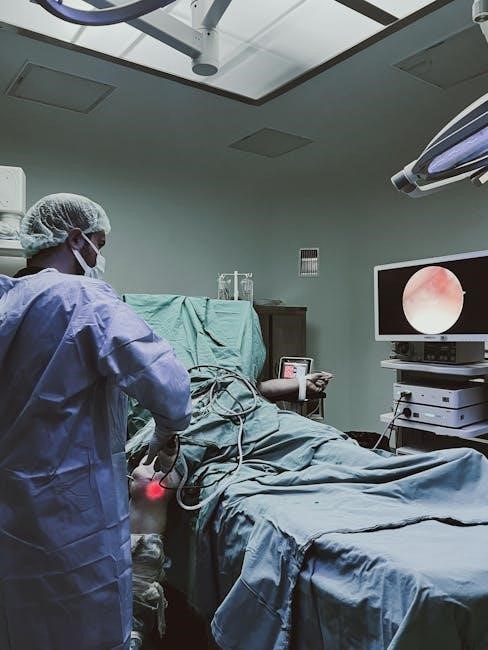
Mastering core skills like sterilization, aseptic technique, instrumentation, scrubbing, and gowning are crucial for surgical technologists’ safe and effective practice.
Sterilization and Aseptic Technique
Sterilization and aseptic technique form the bedrock of patient safety in the surgical environment. Surgical technologists must demonstrate a thorough understanding of microbial control, utilizing methods like autoclaving, chemical sterilization, and gas sterilization to eliminate pathogens.
Maintaining a sterile field is paramount, requiring meticulous adherence to protocols during scrubbing, gowning, and gloving. This includes proper hand hygiene, draping techniques, and awareness of potential sources of contamination.
Technologists are responsible for monitoring sterilization indicators and ensuring equipment functionality, contributing to a consistently safe operating room. A strong grasp of these principles is essential for preventing surgical site infections and promoting positive patient outcomes.
Surgical Instrumentation: Identification & Handling
Surgical technologists must possess comprehensive knowledge of surgical instrumentation, encompassing identification, classification, and proper handling techniques. This includes recognizing instruments by name, purpose, and manufacturer. Accurate instrument counts are crucial for patient safety, demanding meticulous attention to detail.
Proper handling prevents damage and ensures functionality. Technologists are responsible for inspecting instruments for defects, assembling instrument trays according to surgical procedures, and maintaining instrument sharpness.
Understanding instrument sets for various specialties – general surgery, orthopedics, neurosurgery – is vital. Safe and efficient passing of instruments during surgery relies on this expertise, directly impacting the surgical flow.
Surgical Scrubbing and Gowning Procedures
Surgical scrubbing and gowning are foundational to maintaining a sterile field, protecting patients from infection. Technologists perform a meticulous surgical hand scrub, utilizing antiseptic solutions to eliminate microorganisms. This process requires strict adherence to established protocols regarding time and technique.
Following the scrub, donning sterile gowns and gloves creates a sterile barrier. Proper gowning technique prevents contamination, ensuring the integrity of the sterile field. Attention to detail is paramount, including maintaining sterility of cuffs and closures.
These procedures are essential for preventing surgical site infections and promoting positive patient outcomes, demanding consistent practice and understanding.
Pre-Operative Phase
Pre-operative duties include thorough patient preparation, meticulous room setup, and precise equipment verification, ensuring a safe and efficient surgical environment.
Patient Preparation and Assessment
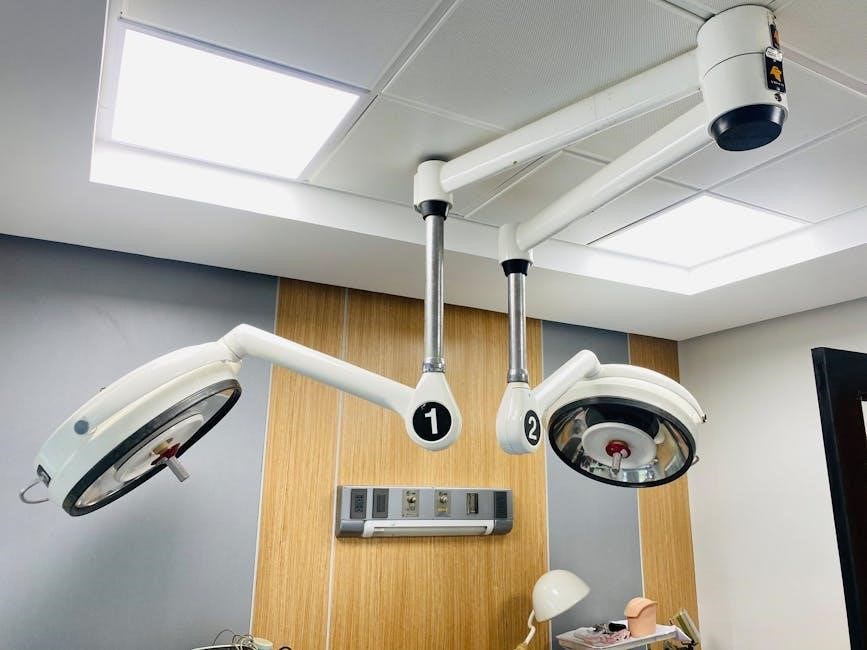
Patient preparation is a critical pre-operative responsibility for the surgical technologist. This involves a comprehensive assessment, verifying patient identity, allergies, and medical history to ensure safety.
Technologists explain the surgical procedure, addressing patient anxieties and answering questions. Physical preparation includes skin cleansing, hair removal as required, and ensuring the patient is comfortably positioned.
Assessment extends to reviewing pre-operative orders and lab results, promptly reporting any discrepancies to the surgical team. Accurate documentation of all preparation steps is essential, contributing to a positive care approach and minimizing potential risks during surgery.
Room Setup and Equipment Verification
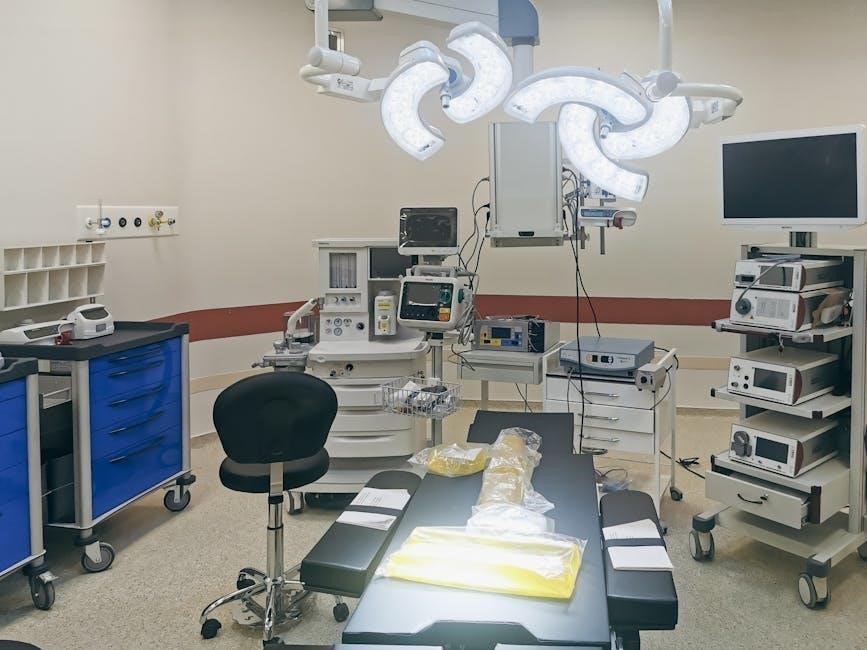
Room setup is a meticulous process, demanding adherence to sterile technique and surgical protocols. The surgical technologist arranges instruments, supplies, and equipment based on the scheduled procedure, ensuring everything is readily accessible to the surgeon.
Equipment verification is paramount; each item – from suction devices to electrocautery units – must be inspected for proper function. This includes safety checks and confirming availability of necessary accessories.
A sterile field is established, and all team members adhere to strict protocols. Thorough preparation minimizes delays and contributes to a safe and efficient surgical environment, reflecting a positive care approach.
Surgical Case Cart Preparation
Surgical case cart preparation is a critical pre-operative task, demanding precision and knowledge of surgical procedures. The technologist assembles all necessary instruments, sutures, drapes, and supplies, anticipating the surgeon’s needs throughout the operation.
Items are organized logically, considering the sequence of surgical steps, and wrapped securely to maintain sterility. Proper labeling and documentation are essential for tracking and accountability.
This proactive approach streamlines the intraoperative phase, reducing delays and enhancing efficiency. A well-prepared cart demonstrates a commitment to patient safety and a positive surgical outcome.
Intra-Operative Phase
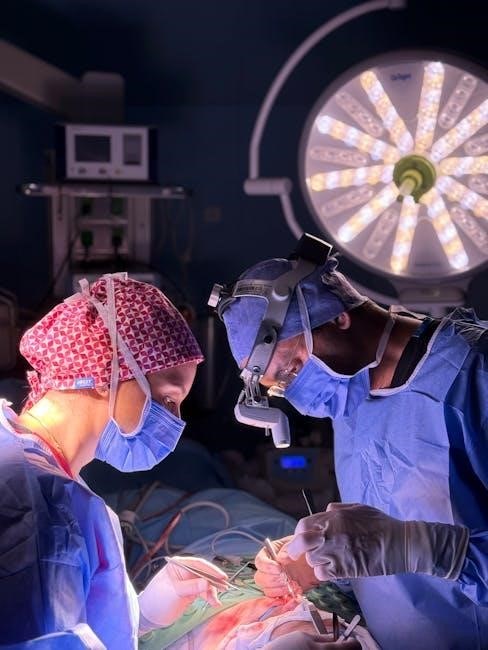
During surgery, the technologist maintains the sterile field, passes instruments efficiently, and diligently manages surgical counts, ensuring patient safety.
Maintaining the Sterile Field
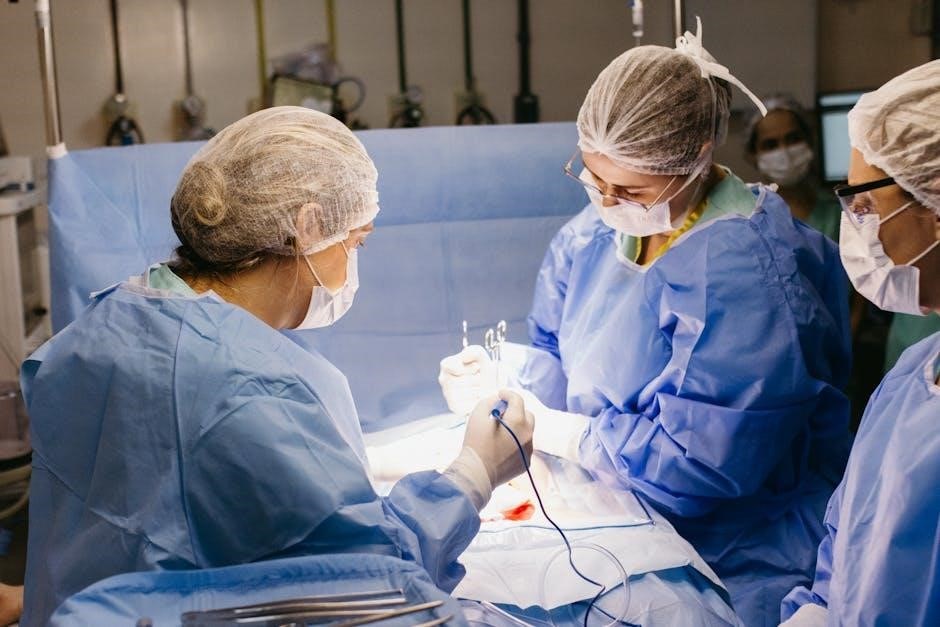
Aseptic technique is paramount during the intra-operative phase, and the surgical technologist plays a crucial role in upholding it. This involves constant vigilance to prevent contamination of the sterile field, protecting the patient from potential infection.
Technologists must meticulously monitor the environment, ensuring all instruments, supplies, and surfaces remain sterile. Any breach in sterility requires immediate corrective action.
Proper gowning and gloving techniques are essential, as is awareness of sterile boundaries. Maintaining communication with the surgical team regarding sterile protocols is also vital for a safe and successful surgical outcome.
Diligent adherence to these principles minimizes risks and supports optimal patient care.
Passing Instruments and Supplies
Efficiently anticipating the surgeon’s needs is a core skill for surgical technologists. This requires a thorough understanding of surgical procedures and instrument sequences. Accurate and timely passing of instruments and supplies directly impacts the flow of surgery.
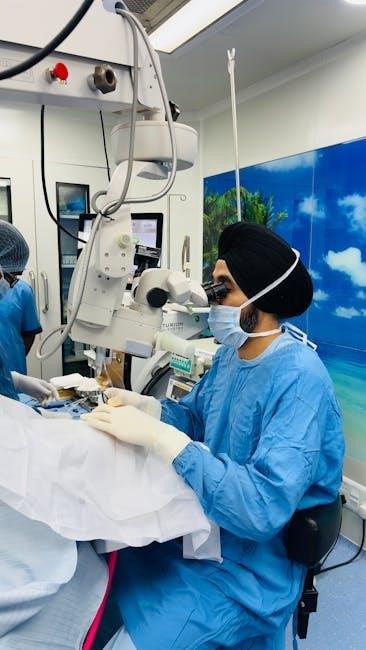
Technologists must know the proper names and functions of each instrument, passing them in a sterile manner using established techniques. Maintaining a sterile field while passing items is critical.
Effective communication with the surgeon is essential to confirm instrument requests and anticipate upcoming needs. Proactive preparation and organization contribute to a smooth and safe surgical experience.
This skill demands focus, precision, and a commitment to patient safety.
Surgical Counting and Sponge Management
Meticulous surgical counting of instruments, sponges, needles, and sharps is paramount for patient safety. This process, conducted at designated intervals – before, during, and after surgery – prevents retained surgical items.
Surgical technologists are directly responsible for accurately counting and documenting these items, collaborating with the circulating nurse to verify totals. Proper sponge management, including tracking and accounting for all sponges used, is crucial.
Any discrepancies must be immediately addressed and resolved before wound closure. Adherence to established protocols and diligent attention to detail are non-negotiable aspects of this critical responsibility.
This practice minimizes risk and ensures patient well-being.
Post-Operative Phase
Post-operative duties include efficient room turnover, thorough equipment decontamination, and accurate documentation of the surgical procedure and any related events.
Room Turnover and Cleaning
Efficient room turnover is a critical post-operative responsibility for surgical technologists. This process involves the swift and meticulous cleaning and restocking of the operating room, preparing it for the next surgical case.
Technologists must remove all contaminated materials, including drapes, sponges, and instruments, adhering to strict infection control protocols. Thorough cleaning of all surfaces – floors, tables, and equipment – is essential, utilizing appropriate disinfectants.
Restocking the room with necessary supplies, ensuring everything is readily available for the surgical team, completes the turnover process. A well-executed room turnover minimizes delays and contributes to a safe and efficient surgical environment.
Equipment Decontamination
Equipment decontamination is a paramount post-operative task, ensuring patient safety and preventing healthcare-associated infections. Surgical technologists play a vital role in this process, following established protocols for cleaning, disinfecting, and sterilizing surgical instruments and equipment.
This involves a multi-step process, beginning with the removal of gross contamination, followed by enzymatic cleaning and thorough disinfection. Sterilization, utilizing methods like autoclaving or chemical sterilization, eliminates all microorganisms.
Proper handling and packaging of sterilized items are crucial to maintain sterility. Meticulous documentation of the decontamination process is also essential, ensuring traceability and accountability.
Documentation and Reporting
Documentation and reporting are critical components of the surgical technologist’s role in the post-operative phase, ensuring a clear and accurate record of the surgical procedure. This includes meticulous charting of instrument counts, sponge and needle counts, and any unusual events or complications that occurred during surgery.
Accurate documentation supports patient safety, facilitates communication among the surgical team, and provides a legal record of the procedure.
Surgical technologists must adhere to facility policies and procedures regarding documentation, utilizing standardized forms and electronic health records. Timely and comprehensive reporting is essential for quality improvement and risk management.
Certification & Professional Development
Certification as a Surgical Technologist (CST) is achieved through the National Board of Surgical Technology and Medical Sterilization (NBSTSA), and the AST provides valuable resources.
Certified Surgical Technologist (CST) Credential
Achieving the Certified Surgical Technologist (CST) credential signifies a commitment to professional standards and competency in surgical technology. This nationally recognized certification, administered by the National Board of Surgical Technology and Medical Sterilization (NBSTSA), validates a surgical technologist’s knowledge, skills, and abilities.
Successful candidates demonstrate proficiency in areas like surgical principles, instrumentation, sterile technique, and patient safety. Eligibility typically requires graduation from an accredited surgical technology program. Passing the CST examination is a crucial step towards career advancement and demonstrates dedication to providing high-quality patient care within the surgical environment. The Association of Surgical Technologists (AST) actively supports and promotes the CST credential.
Association of Surgical Technologists (AST) Resources
The Association of Surgical Technologists (AST) serves as a vital professional organization for surgical technologists, offering a wealth of resources to support their careers. Members gain access to educational materials, professional development opportunities, and advocacy efforts that advance the surgical technology profession.
AST provides valuable information on best practices, industry trends, and certification maintenance. Their website features publications, webinars, and networking forums. MindTap Surgical Technology, often bundled with textbooks like “Surgical Technology for the Surgical Technologist,” complements AST resources. AST actively promotes the CST credential and fosters a collaborative community for surgical technology professionals nationwide, ensuring continued growth and excellence.
Continuing Education Opportunities
Continuing education is crucial for Surgical Technologists to maintain competency and stay abreast of advancements in the field. Opportunities range from workshops and seminars to online courses and professional certifications. The Association of Surgical Technologists (AST) frequently offers continuing education credits through webinars and conferences.
Resources like MindTap Surgical Technology can supplement formal education, providing updated information on techniques and technologies. Staying current is vital, especially with emerging fields like interventional radiologic procedures, detailed in resources like the Kandarpa Handbook. Maintaining the CST credential often requires ongoing education, ensuring practitioners deliver the highest quality of patient care.
Emerging Technologies in Surgical Technology
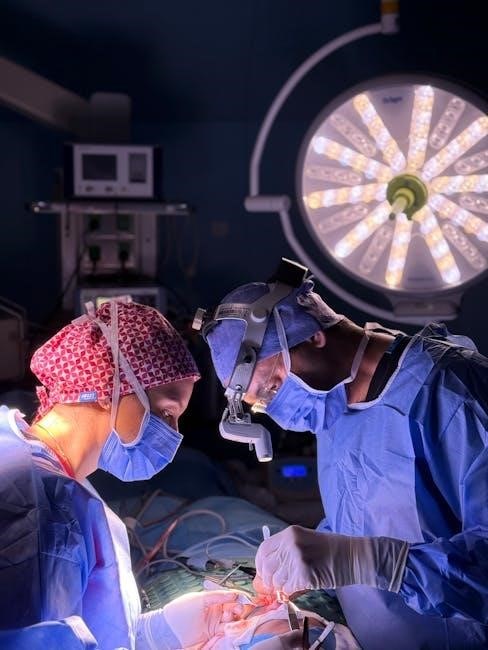
Emerging technologies, such as robotic surgery assistance and interventional radiologic procedures, are transforming the surgical landscape, demanding continuous learning for technologists.
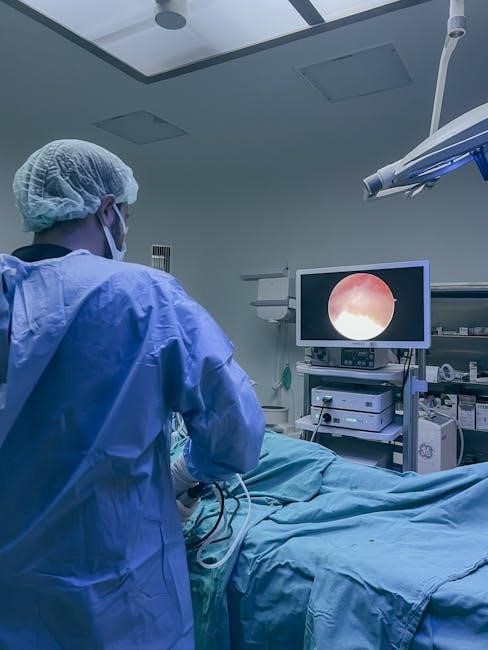
Robotic Surgery Assistance
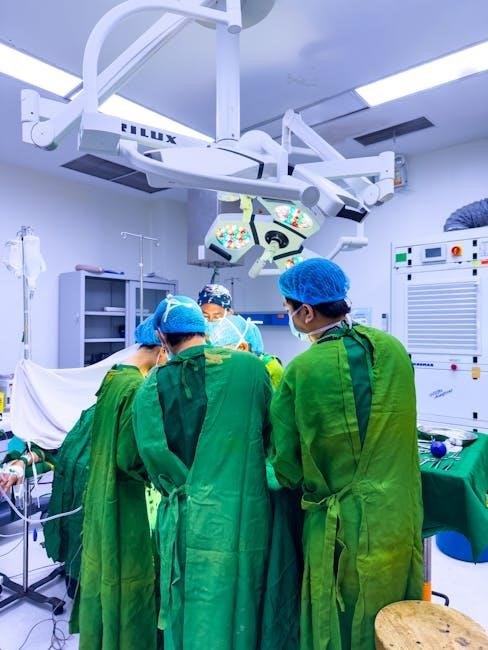
Robotic surgery represents a significant advancement, requiring surgical technologists to adapt to new roles and responsibilities within the operating room. Technologists assist surgeons utilizing robotic systems, ensuring proper setup, maintenance, and troubleshooting of the robotic equipment.
Understanding the intricacies of robotic instrumentation, including specialized tools and camera systems, is crucial. Furthermore, technologists must maintain sterile technique throughout robotic procedures, anticipating the surgeon’s needs and providing instruments with precision.
This evolving field demands ongoing education and training to stay current with the latest robotic technologies and surgical techniques, enhancing patient safety and surgical outcomes.
Interventional Radiologic Procedures
Interventional Radiologic (IR) procedures are minimally invasive treatments guided by imaging technologies, expanding the surgical technologist’s scope of practice. Technologists supporting IR suites require specialized knowledge of radiologic equipment, contrast agents, and sterile techniques specific to these procedures.
Preparation involves setting up a sterile field, preparing specialized instruments, and assisting the radiologist during the procedure. Kandarpa Handbook of Interventional Radiologic Procedures serves as a valuable resource for understanding these techniques.
Maintaining meticulous documentation and ensuring patient safety are paramount in IR, demanding a high level of precision and attention to detail from the surgical technologist.
Digital Surgical Documentation
Digital surgical documentation is rapidly transforming healthcare, demanding surgical technologists adapt to electronic health records (EHRs) and digital charting systems. Accurate and timely documentation of instrument counts, sponge/needle/laparoscope counts, and procedural steps is crucial for patient safety and legal compliance.
Technologists must be proficient in using software to record case details, track supplies, and contribute to comprehensive surgical reports. This shift necessitates strong computer skills and a commitment to data integrity.
Effective digital documentation streamlines communication, improves efficiency, and supports quality improvement initiatives within the surgical setting.