
donner starrypad manual
Donner Starrypad Manual: A Comprehensive Guide
Donner Starrypad offers a comprehensive solution for music production, integrating seamlessly with various DAWs and Microsoft products, providing users with extensive control options.
Welcome to the world of the Donner Starrypad, a versatile MIDI pad controller designed to elevate your music production experience. This manual serves as your comprehensive guide to unlocking the full potential of this innovative device. Whether you’re a seasoned professional or just beginning your musical journey, the Starrypad offers intuitive control and seamless integration with your favorite software.
The Starrypad is more than just a controller; it’s a creative hub. It empowers musicians, producers, and beatmakers to express their artistry with precision and flair. From triggering samples and loops to manipulating effects and parameters, the Starrypad puts the power of sound at your fingertips. This guide will walk you through every aspect of the Starrypad, from initial setup to advanced techniques, ensuring you can harness its capabilities to create truly captivating music. Get ready to explore a new dimension of musical control!
What is the Donner Starrypad?
The Donner Starrypad is a powerful and compact MIDI pad beat maker featuring 16 velocity-sensitive beat pads. It functions as a MIDI controller, allowing you to trigger sounds, control parameters, and perform live with your preferred Digital Audio Workstation (DAW) or music software. Designed for both beginners and experienced musicians, the Starrypad offers a hands-on approach to music creation.
Essentially, it translates your physical interactions – pressing pads, turning knobs, and moving faders – into MIDI data that your computer understands. This data can then be used to control virtual instruments, effects, and other aspects of your music production setup. The Starrypad is compatible with Windows, Mac, Linux, iOS, and Android operating systems, offering broad accessibility. It’s a portable and intuitive tool for composing, performing, and producing music on the go or in the studio.

Key Features of the Starrypad
The Donner Starrypad boasts 16 velocity-sensitive pads, enabling expressive and dynamic performances. It includes full level and fader controls for precise parameter adjustments, alongside dedicated knobs for further manipulation. Bank selection allows for expanded functionality, offering numerous sound and control assignments accessible through switching.
Its MIDI controller capabilities ensure compatibility with popular DAWs like Logic, Waveform, and Audition, streamlining your workflow. The device supports seamless integration with Microsoft products, enhancing creative possibilities. Compact and portable, the Starrypad is ideal for both studio and live settings. It’s designed for easy setup, requiring driver installation for optimal performance. Activation codes are available through Donner customer service, unlocking the full potential of this versatile MIDI pad beat maker.

Setting Up Your Donner Starrypad

Begin by unboxing and inspecting your Starrypad, then connect it to your device and install the necessary software and drivers for optimal functionality.
Unboxing and Initial Inspection
Carefully unpack your Donner Starrypad MIDI Pad Beat Maker. Ensure the box contains the unit itself, along with any included USB cables, documentation – such as the user manual (available in multiple languages, including Ukrainian) – and potentially any bundled software access codes.
Visually inspect the Starrypad for any signs of physical damage incurred during shipping. Check for dents, scratches, or loose components. Pay close attention to the 16 beat pads, knobs, faders, and the overall build quality. Verify that all pads are securely attached and appear responsive to gentle pressure.
Confirm the presence of all labeled components, like the FULL LEVEL and FADER controls, and the BANK selection buttons. If any damage or missing parts are discovered, immediately contact Donner customer service to receive assistance and potentially a replacement unit. Retain all packaging materials for potential return or warranty claims. A smooth setup begins with a thorough initial inspection!
Connecting the Starrypad to Your Device
Establishing a connection between your Donner Starrypad and your computer or device is crucial for functionality. Typically, this is achieved via a standard USB connection. Locate the USB port on the Starrypad – consult the manual if needed – and connect it to an available USB port on your computer.

Your operating system (Windows, Mac, Linux, iOS, or Android) should automatically detect the Starrypad as a MIDI device. However, driver installation might be necessary, especially on older systems or specific operating systems. Refer to the “Software Installation and Driver Setup” section for detailed instructions.
Ensure the USB cable is securely connected at both ends to prevent intermittent disconnections. Once connected, the Starrypad is ready to transmit MIDI data to your chosen Digital Audio Workstation (DAW) or other compatible software. Proper connection is the foundation for seamless music creation!
Software Installation and Driver Setup
After physically connecting your Donner Starrypad, software installation and driver setup are often required for optimal performance. While many modern operating systems recognize the Starrypad automatically, dedicated drivers ensure full compatibility and functionality.
Visit the official Microsoft Download Center for the latest updates and drivers compatible with Windows, and explore options for Mac, Linux, iOS, and Android if applicable. The Donner website also provides specific drivers for the Starrypad; check their support section.
Follow the on-screen instructions during the driver installation process. Once installed, your software can receive notes and controller data from the STARRYPAD. Activation codes may be required – contact Donner customer service if needed. Successful setup unlocks the Starrypad’s full potential!
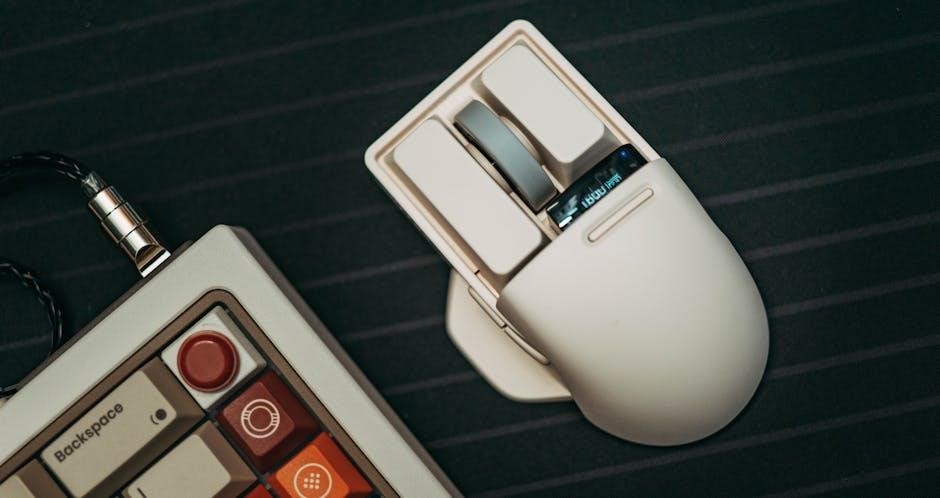
Understanding the Starrypad Interface
The Donner Starrypad features 16 beat pads, full level and fader controls, knobs, and bank selection options, offering a versatile layout for music creation.
Pad Layout and Functionality
The Donner Starrypad boasts a 16-pad grid, meticulously designed for intuitive beatmaking and musical expression. Each pad is velocity-sensitive, responding dynamically to your touch, allowing for nuanced performances and expressive control over your sounds. These pads aren’t simply on/off switches; they translate the force of your strikes into varying signal levels, adding depth and realism to your compositions.
Beyond basic triggering, the pads are fully assignable, meaning you can map them to virtually any MIDI function within your Digital Audio Workstation (DAW). This flexibility extends to triggering samples, controlling virtual instruments, or even manipulating effects parameters. The arrangement is logical and accessible, promoting a fluid workflow. Understanding this core functionality is key to unlocking the Starrypad’s full potential, enabling you to craft intricate rhythms and dynamic performances with ease.
Knobs, Faders, and Buttons Explained
The Donner Starrypad features dedicated knobs, faders, and buttons that significantly enhance control over your music production. The “FULL LEVEL” and “FADER” controls allow for real-time adjustment of volume and other parameters within your DAW, offering tactile manipulation beyond mouse clicks. These aren’t just for volume; assign them to filter cutoffs, reverb sends, or any other MIDI-controllable function.
Knobs provide precise adjustments for parameters like pan, modulation, or effects depth. The strategically placed buttons facilitate bank selection and navigation, allowing quick access to different sound sets and configurations. Understanding the function of “F2” and “K2” is crucial for advanced customization. These controls, combined with the pad layout, create a hands-on experience, fostering creativity and streamlining your workflow. Experimentation is encouraged to discover the full extent of their capabilities.
Bank Selection and Navigation
Efficiently navigating the Donner Starrypad’s sound library relies on mastering bank selection. The “BANK” button, alongside other dedicated controls, allows you to cycle through different preset groupings, expanding your sonic palette instantly. Each bank contains a curated collection of sounds, optimized for various genres and performance styles.
Understanding the pad layout in relation to bank selection is key. Pads 13 through 16 often serve as dedicated bank switching controls, providing quick access to frequently used sounds. The manual details specific bank assignments, but customization is possible. Explore the possibilities to create personalized banks tailored to your workflow. Seamless bank switching is vital for complex performances, enabling dynamic transitions between sounds without interrupting the musical flow. Proper navigation unlocks the full potential of the Starrypad.

Using the Donner Starrypad with Software
Donner Starrypad seamlessly integrates with popular DAWs like Logic, Waveform, and Audition, alongside Microsoft products, enabling comprehensive MIDI control and enhanced music creation.
Compatibility with DAWs (Digital Audio Workstations)
The Donner Starrypad demonstrates broad compatibility with a diverse range of Digital Audio Workstations (DAWs), empowering musicians and producers with versatile control over their creative workflows. Seamless integration is confirmed with industry-standard software such as Logic Pro, allowing for intuitive manipulation of virtual instruments and effects. Similarly, Waveform users will find the Starrypad’s responsive pads and controls enhance their composition and performance capabilities.
Adobe Audition is also supported, providing precise control over audio editing and mixing processes. Successful integration requires proper software installation and driver setup, ensuring the DAW recognizes the Starrypad as a MIDI controller. After this setup, your software can receive notes and controller data from the device, unlocking its full potential. The Donner Starrypad aims to be a central hub for controlling your preferred DAW environment, streamlining your music production process.
Starrypad Integration with Microsoft Products
While primarily designed for music production, the Donner Starrypad exhibits compatibility with select Microsoft products, expanding its utility beyond traditional audio applications. Users can leverage the Starrypad’s MIDI capabilities within applications that support MIDI input, offering unique control schemes for presentations or interactive installations. Microsoft’s collaborative tools, such as Word, PowerPoint, Excel, and OneNote, don’t directly integrate with the Starrypad, but its MIDI functionality can be utilized with compatible software running alongside these programs.
Furthermore, accessing Microsoft Support provides resources for troubleshooting connectivity issues and ensuring optimal performance. The official Microsoft Download Center offers the latest software updates and drivers, crucial for maintaining compatibility. Explore Microsoft’s comprehensive range of products to discover potential synergies with the Starrypad, unlocking new creative possibilities and streamlining workflows.
Specific DAW Setup Guides (Logic, Waveform, Audition)
Integrating the Donner Starrypad with Digital Audio Workstations (DAWs) requires specific configuration steps; For Logic Pro, ensure MIDI input is enabled for the Starrypad within Logic’s preferences. Waveform users should navigate to the MIDI settings and select the Starrypad as a control surface. Adobe Audition requires enabling MIDI input through the Audition preferences, allowing the Starrypad to control parameters like volume and pan.
Generally, after installing necessary drivers, your software will receive notes and controller data from the STARRYPAD. Each DAW’s interface differs, so consult their respective documentation for detailed instructions. Troubleshooting guides from Donner can assist with connectivity problems. Remember to select the appropriate MIDI channel on both the Starrypad and within your DAW for seamless communication, maximizing creative control.

Troubleshooting Common Issues
Donner Starrypad troubleshooting involves addressing connectivity problems, pad responsiveness, and software conflicts; Donner provides guides to resolve these issues efficiently.
Connectivity Problems
If your Donner Starrypad isn’t connecting, first ensure the USB cable is securely plugged into both the pad and your computer. Try a different USB port, as some ports may provide insufficient power or have compatibility issues. Verify that the Starrypad is recognized by your operating system – check Device Manager on Windows or System Information on macOS.
Software installation is crucial; ensure you’ve installed the necessary drivers from the official Microsoft Download Center or the Donner website. A restart of your computer and the Starrypad itself can often resolve temporary glitches. If using a USB hub, connect the Starrypad directly to your computer instead. Confirm your DAW settings are correctly configured to recognize the Starrypad as a MIDI input device. Finally, consult Donner customer service for an activation code if needed, as this can sometimes impact connectivity.
Pad Responsiveness Issues
If your Donner Starrypad pads aren’t responding as expected, begin by checking the pad sensitivity settings within your DAW or any associated Donner software. Ensure the velocity curve is appropriately adjusted to your playing style. A quick test is to try different sounds or instruments within your DAW to rule out instrument-specific problems.
Inspect the pads themselves for any physical obstructions or debris that might be hindering their response. Sometimes, a simple cleaning can resolve the issue. Verify that the Starrypad is receiving and transmitting MIDI data correctly, using a MIDI monitor if available. If problems persist, consider re-installing the drivers, ensuring you obtain them from the official Microsoft Download Center or the Donner support resources. Contact Donner customer service for further troubleshooting assistance.
Software Conflicts and Solutions

Conflicts can arise when the Donner Starrypad interacts with other MIDI devices or software on your system; To address this, ensure no other applications are attempting to control the same MIDI port simultaneously. Close any unnecessary programs that might be interfering with MIDI communication.
Check your DAW’s MIDI settings to confirm the Starrypad is selected as the input device and that MIDI Thru is configured correctly if needed. If you’re using Microsoft products like Logic, Waveform, or Audition, verify compatibility and update to the latest versions. Reinstalling the Starrypad drivers, sourced from the official Microsoft Download Center, can often resolve driver-related conflicts. If issues persist, consult the Donner support team for specific guidance and potential workarounds.

Advanced Features and Techniques
Donner Starrypad unlocks creative potential through custom pad assignments, full level/fader control, and bank switching, enabling complex performances and personalized workflows.
Customizing Pad Assignments
The Donner Starrypad truly shines when you begin to tailor the pad assignments to your specific musical needs. Each of the 16 pads can be remapped to send a variety of MIDI messages, offering incredible flexibility. This customization isn’t limited to simply triggering notes; you can assign control change messages to manipulate parameters within your DAW or virtual instruments.
To begin customizing, you’ll typically utilize the accompanying software editor. This editor allows you to visually map each pad to a desired MIDI note, velocity curve, or control change number. Consider assigning pads to trigger samples, control filter cutoffs, adjust reverb levels, or even automate complex effects chains; Experimentation is key! Save your custom layouts as banks for easy recall during live performances or studio sessions. Remember to consult the software documentation for detailed instructions on the specific customization options available.
Utilizing the Full Level and Fader Controls
The Donner Starrypad’s faders and knobs aren’t just for show; they provide tactile, real-time control over your music. These controls are designed to send MIDI Continuous Controller (CC) data, allowing you to manipulate virtually any parameter within your Digital Audio Workstation (DAW) or virtual instruments. Think beyond simple volume adjustments!
Assign faders to control effects sends, pan positions, or filter resonance. Utilize the knobs for tweaking LFO rates, delay times, or even instrument parameters like attack and release. The “FULL LEVEL” control, as indicated on the pad layout, likely offers a master gain stage for the assigned bank. Experiment with different mappings to discover how these controls can enhance your workflow and creative expression. Remember to save your customized settings for quick access during performances or recording sessions.
Exploring Bank Switching for Complex Performances
The Donner Starrypad’s bank selection feature is crucial for unlocking its full potential during live performances or intricate studio sessions. With 16 pads, organizing sounds into banks allows for a wider sonic palette at your fingertips. Efficient bank switching minimizes downtime and maximizes creative flow.
Utilize the “BANK” button (or designated controls) to navigate between different configurations of sounds, loops, or effects. Pre-program each bank with specific instrument presets, drum kits, or control mappings tailored to different sections of a song. Practice seamless transitions between banks to create dynamic and evolving arrangements. Consider assigning bank changes to MIDI foot controllers for hands-free operation during live sets, ensuring a polished and professional performance. Mastering bank switching transforms the Starrypad from a simple pad controller into a powerful performance instrument.